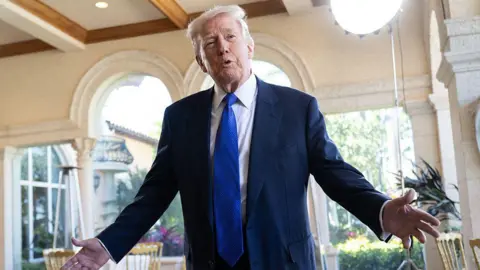
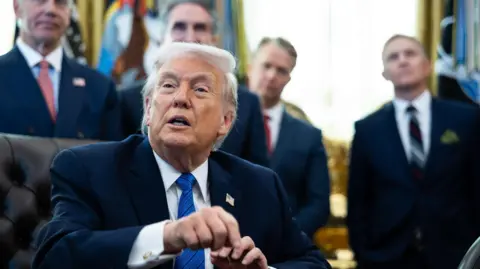
In the latest developments from Caracas, U.S. President Trump has made a surprising decision by endorsing Delcy Rodríguez, the former vice president of Nicolás Maduro, as the leader of Venezuela’s interim government. This choice comes as a stark contrast to the U.S. administration’s previous support for María Corina Machado, an opposition leader and Nobel Peace Prize nominee.
Many are questioning the motivations behind this pivot. Trump referred to Machado as 'not respected' in Venezuela, while describing Rodríguez in favorable terms. Former U.S. diplomats express concern that this choice reflects a prioritization of stability over democratic values, suggesting that the Trump administration would prefer to maintain ties with the existing power structures rather than supporting an opposition that could lead to internal strife.
Analysis from insiders indicates that Rodríguez may be perceived as a stabilizing figure who can navigate the treacherous waters of Venezuelan politics, despite her close ties to the previous regime. The administration’s decision appears rooted in fears that backing Machado could provoke violent backlash, disrupting the already fragile state order.
While some view Rodríguez as a potentially reform-minded leader open to economic collaboration with international entities, the long-term effects of the U.S. decision remain uncertain. Experts warn that without a clear transition plan towards democracy, ordinary Venezuelans could continue to suffer. This situation encapsulates a complex gamble for the U.S., as they seek to balance immediate geopolitical stability with the moral imperatives of democratic governance.