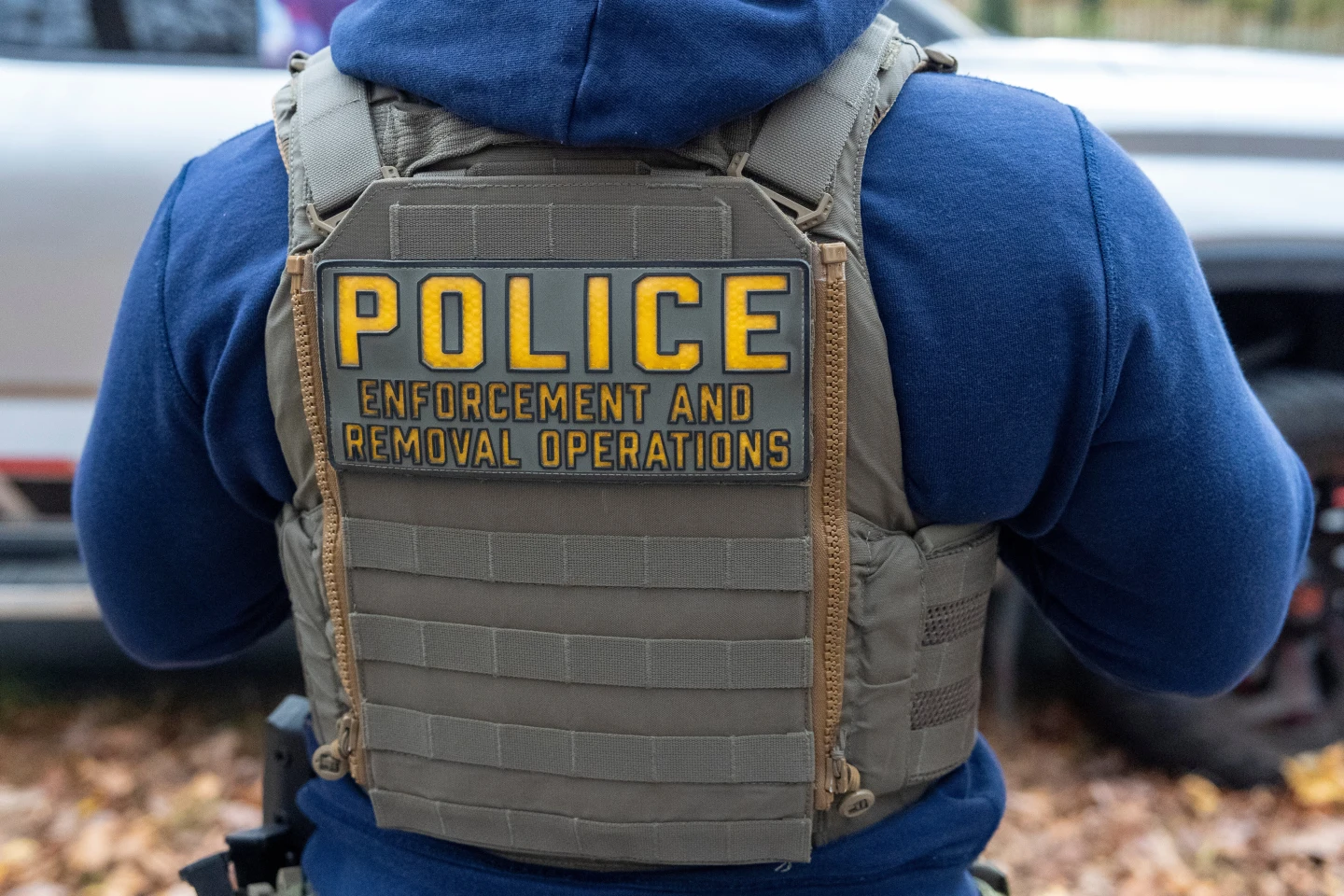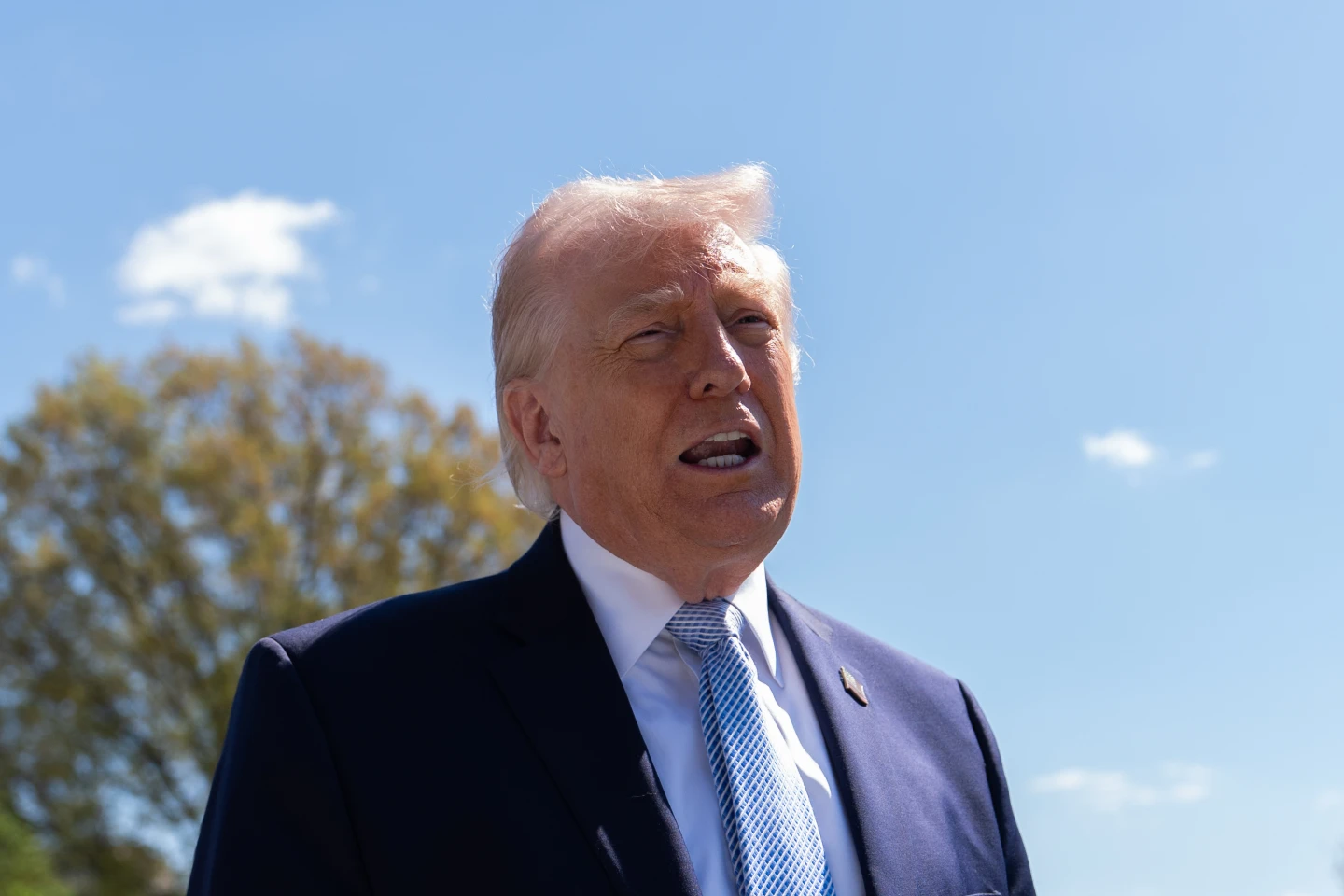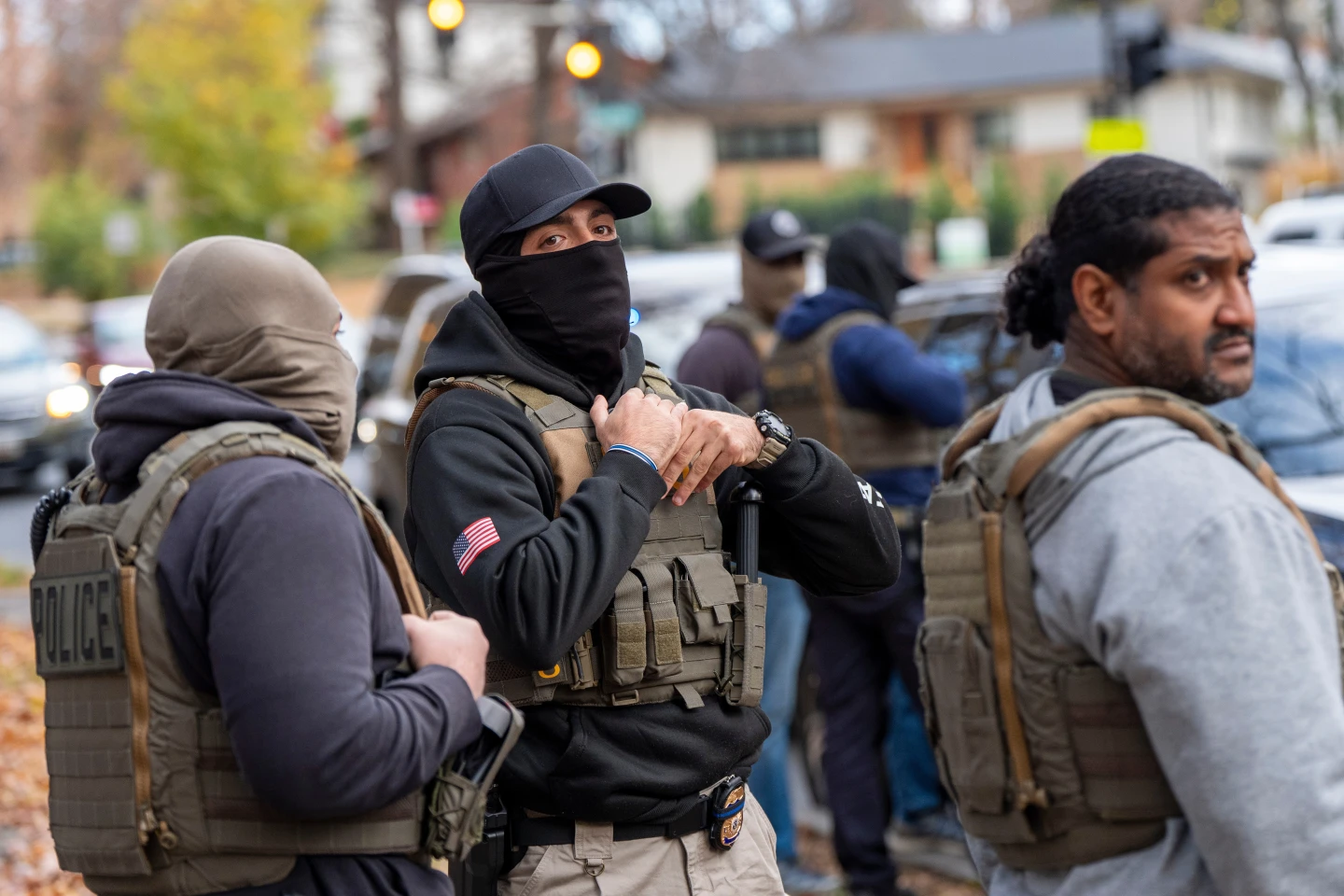
WASHINGTON (AP) — When President Donald Trump launched a law enforcement operation in Washington, D.C., four months ago, he presented it as a measure to combat the soaring crime rate.
However, activists and local leaders argue that this characterization masks a concerted effort to crack down on immigrants, who are increasingly fearful for their status and safety in the city.
Recent data indicates that approximately one-third of the arrests made during the operation were related to immigration issues. Advocates assert that the arrests are frequent and alarming, with allegations of unlawful practices. As the law enforcement surge appears to continue unabated, the threat to the immigrant community seems to have become an everyday reality.
“Immigration enforcement sweeps are not making it to the nightly news anymore because they have become business as usual,” said Washington council member Brianne K. Nadeau.
Trump's Justification for D.C. Operation
The operation commenced in mid-August following an emergency order from Trump, which resulted in the federal takeover of the city’s police force and a deployment of National Guard troops.
According to Trump’s administration, the initiative is aimed at reducing crime and has touted it as a significant success, despite a pre-existing decline in crime rates. However, data shows that nearly 33% of over 7,500 arrests made were immigration-related, and a higher rate of 40% was noted in September.
Data from the University of California, Berkeley Deportation Data Project revealed that out of approximately 1,130 immigration arrests, 947 individuals had no criminal records.
White House spokesperson Abigail Jackson defended the operation, claiming that arrests focused on individuals committing crimes or having outstanding warrants, while highlighting a wide range of charges including homicide and drug offenses.
Community Impact and Ongoing Fear
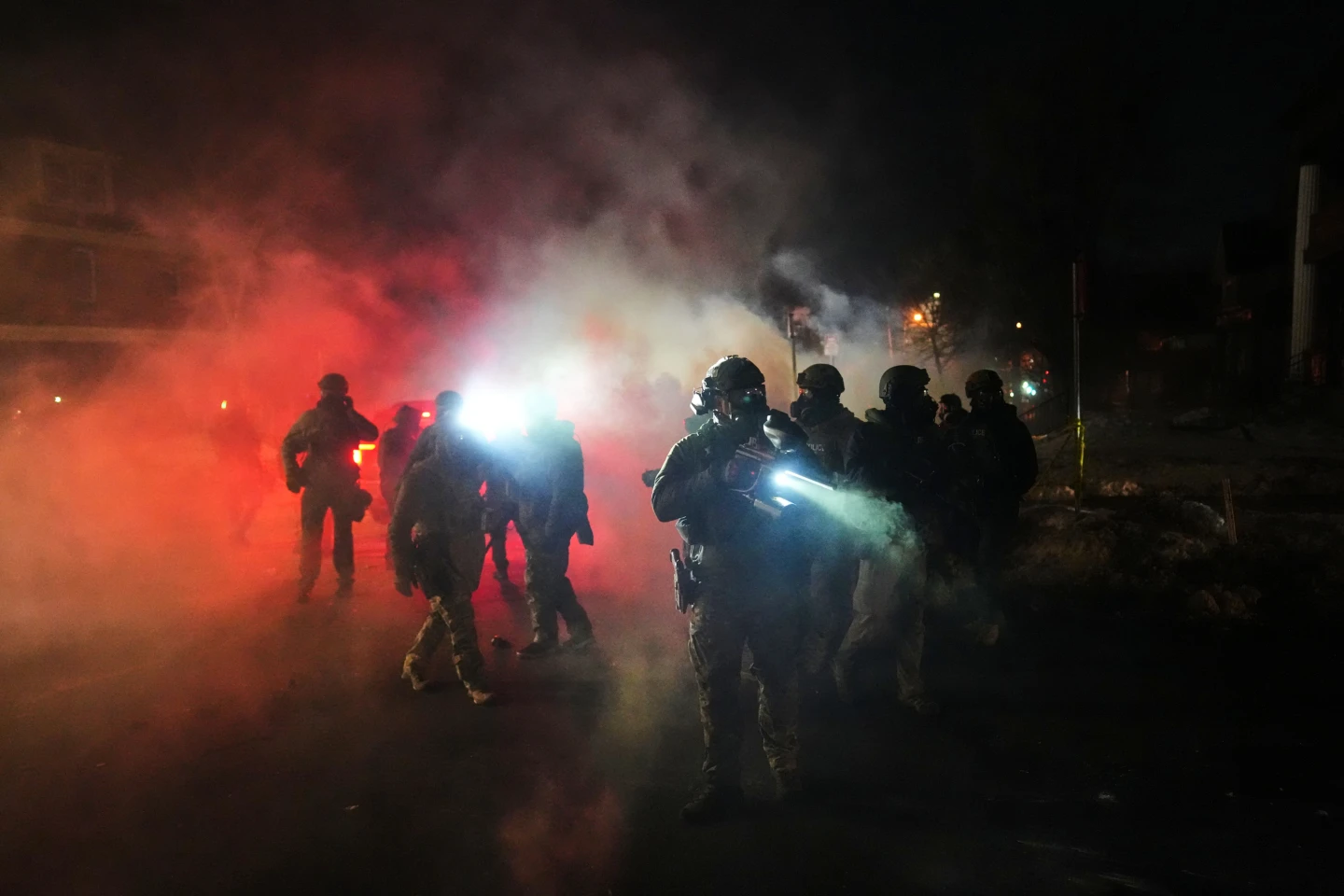
Despite the lapse of the emergency order affecting the police in September, arrest sweeps and checkpoints continue, affecting many neighborhoods. Residents have reported seeing detentions initiated by masked law enforcement agents, particularly in areas with significant Hispanic populations.
A Bolivian immigrant, Nadia Salazar Sandi, shared her distress at the growing number of detentions affecting her family, expressing the fear it instills. She noted that even citizens like her face anxiety, worrying that their status might be scrutinized.
Witnesses at a recent municipal hearing elaborated on harrowing accounts of police behavior, including activities that began as routine stops but escalated to federal officer involvement.
Legal Challenges Ahead
A federal judge recently ruled against the administration’s ability to conduct broad immigration arrests without warrants or established probable cause. Legal representatives from organizations like the ACLU argue that federal officers have been conducting indiscriminate arrests within neighborhoods that predominantly house Hispanic immigrants.
Individuals affected by these operations have recounted incidents of being detained abruptly without scrutiny of their legal standing or community ties. The Trump administration maintained that their actions were lawful and due process was upheld.
Local leaders and community advocates are advocating for change, voicing frustration over the limited power they hold to protect their constituents in a federally dominated district.
“The frustrating truth,” said city council member Brooke Pinto, “is that we do not possess the same avenues of power to safeguard our residents as states do.”