In brief
In January a group of up to 50 Afghan migrants were seized by Turkish border guards near Van and pushed toward the Iranian border with temperatures dropping below freezing. The guards lined them up, beat them with iron bars, stripped them of clothing and forced them to pull wood or clear snow, leaving them outside for several nights in sub‑zero weather. Eleven survivors and a 13‑year‑old boy later lost limbs to frostbite; at least 20 people died at the border. After brief detention they were sent back to Afghanistan, where one youth, Shahsawar, found both hands and legs amputated in a Kabul hospital. The Turkish government has denied the allegations, while Afghan and human‑rights activists describe repeated similar incidents.
This article reports on a tragic incident that took place at the Turkey‑Iran frontier in mid‑January. A group of approximately 50 Afghan migrants, many of them under 25, were seized by Turkish border guards in the eastern city of Van. According to the refugees, the guards forced the men and boys into a park and beat them with iron bars, stripped them of their clothes, and made them haul wood in freezing temperatures that dropped to about minus 15 degrees Celsius.
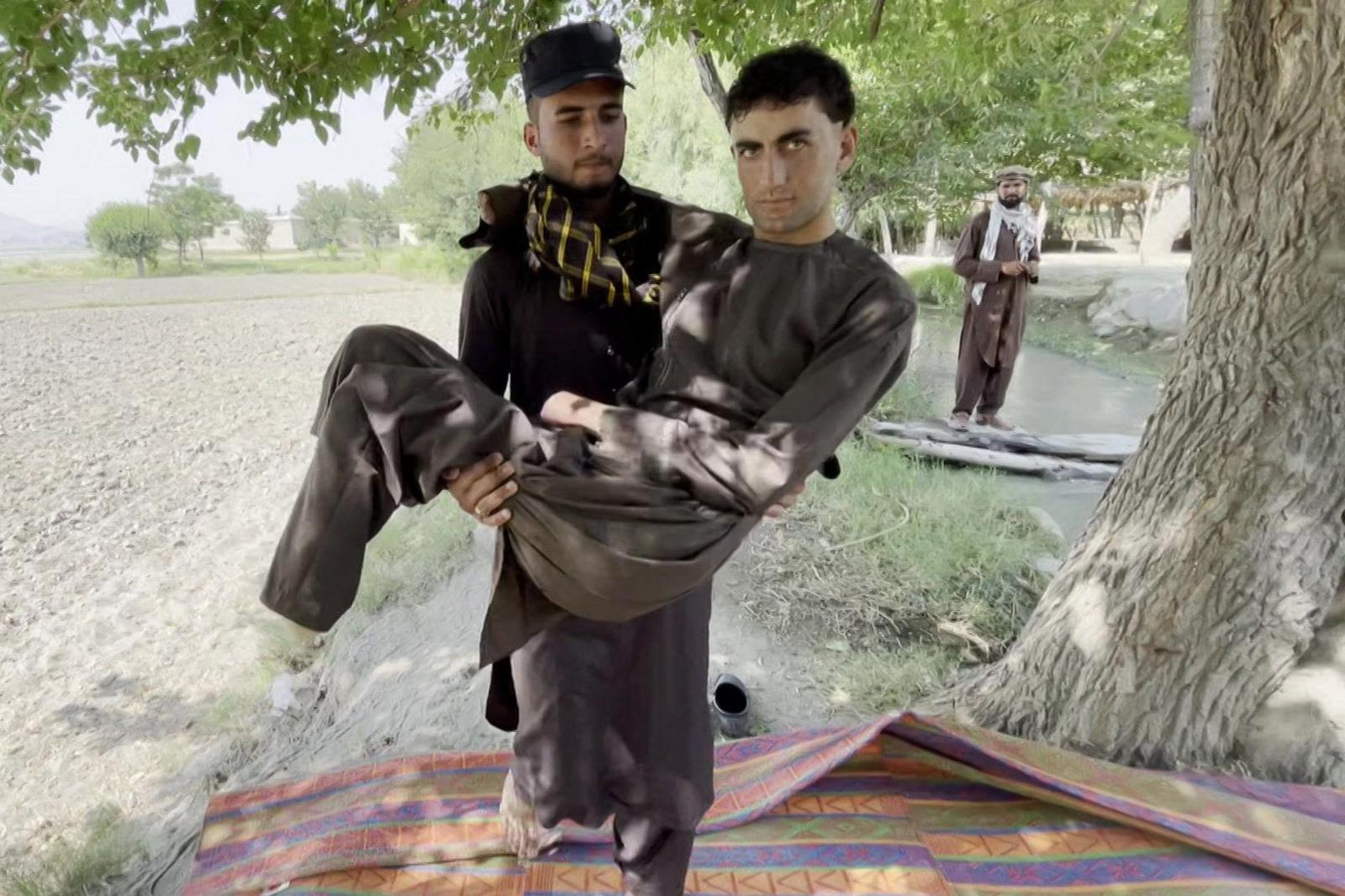
After being held overnight in a warehouse with little food or water, the migrants resumed their forced march towards Iran. The harsh, snowy conditions left them exposed for several days. Eleven of the 12 people interviewed at the BBC lost limbs to severe frostbite, including a 13‑year‑old boy who died early in the journey. Another survivor, 21‑year‑old Shahsawar, emerged from the cold only to discover both his hands and legs had been amputated during a Kabul hospital operation.
The Turkish foreign ministry has denied the allegations of violence, claiming the guards followed national and international law and provided necessary assistance. Afghan human‑rights activists and local legal experts, however, note a history of similar push‑backs and severe treatment in the region, especially after the Taliban takeover in 2021.
Following the incident, the Afghan embassy in Tehran identified and assisted stranded migrants, and four days later the Red Crescent Society transferred them by road to Herat province and then to Kabul for treatment. The story illustrates the desperate, perilous plight of many Afghans seeking refuge across borders and highlights the severe risk posed by harsh conditions and inadequate protection at the frontiers.