The deal’s broad promises
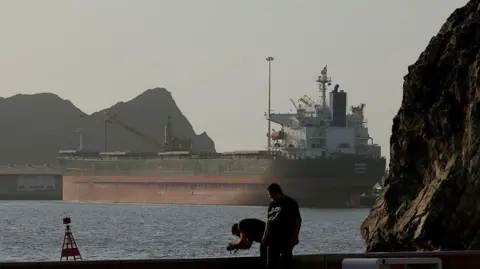
A memorandum of understanding between President Trump and Iranian President Masoud Pezeshkian ends the war’s first chapter, marking a ceasefire that includes immediate military de‑escalation and a re‑opening of the Strait of Hormuz. Washington also agrees to lift its naval blockade, provide waivers for oil exports, release frozen assets and pave the way for a reconstruction‑fund of at least $300 billion, while Iran pledges to halt the pursuit of nuclear weapons and to enter negotiations on the future of its enriched uranium programme.
For Iran, the public narrative is that the regime survived the war without surrender, preserving the Supreme National Security Council and its political base. The MoU gives Tehran a platform to claim that it has maintained sovereignty, achieved sanctions relief and opened a path to economic recovery.
What both sides are struggling with
The deal’s major sticking points are pushed to future rounds of talks. Iran’s enrichment industry and highly enriched uranium stockpiles remain undefended, while the US does not address Iran’s support for proxy militias in the region. In the short term these questions are deferred, creating a risk that the ceasefire could collapse when each side’s domestic critics press for tougher terms.
President Khamenei’s cautious endorsement keeps the supreme leader within reach of the agreement, yet it also limits the negotiators’ room to swing for concessions. Consequently, Iran’s hardliners fear that any compromise on enrichment might be portrayed as defeat, while Republican critics argue that the deal gives Iran too many concessions—a perception that challenges the Trump administration’s image of victory.
The real test
The next 60 days of the MoU test whether Tehran can keep its political base on board while negotiating the nuclear nuances, and whether Washington can sustain the promise of reconstruction without being seen as conceding too much. Both sides must now balance public expectations against the hard realities of diplomatic compromise, a balance that will decide whether the ceasefire is a lasting peace or a fragile stopgap.
Authored by an independent contributor at Civitas]