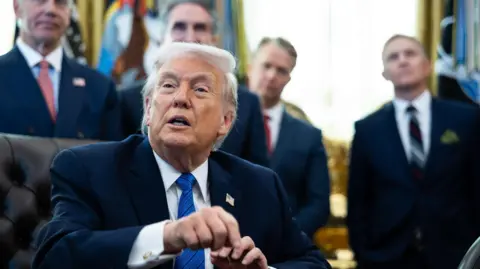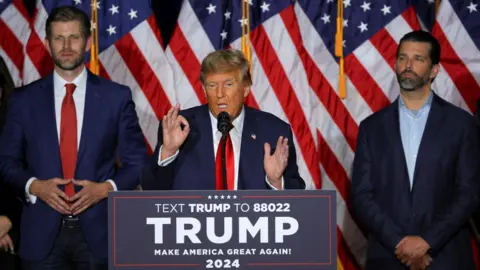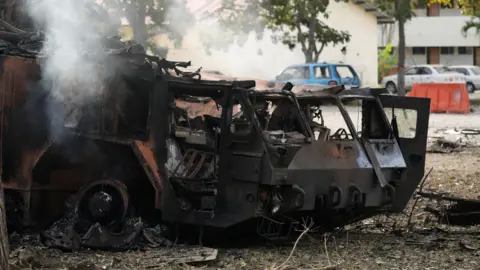
US President Donald Trump announced plans to run Venezuela, hinting at a military operation that resulted in the capture of Nicolás Maduro. Following a series of strikes across Venezuela, Maduro has been taken into custody and faces drug charges in the US.
Trump's administration has blamed Maduro for the influx of Venezuelan migrants into the US and has accused his regime of flooding the country with drugs. These allegations have intensified following the US's pressure campaign targeting drug networks linked to the Venezuelan government.
Historically, Maduro has positioned himself as a protector against US imperialism, claiming that the drug allegations are a façade for the US's desire to seize control of Venezuela's vast oil reserves. His government has repeatedly denied US accusations, portraying them as acts of aggression against a sovereign nation.
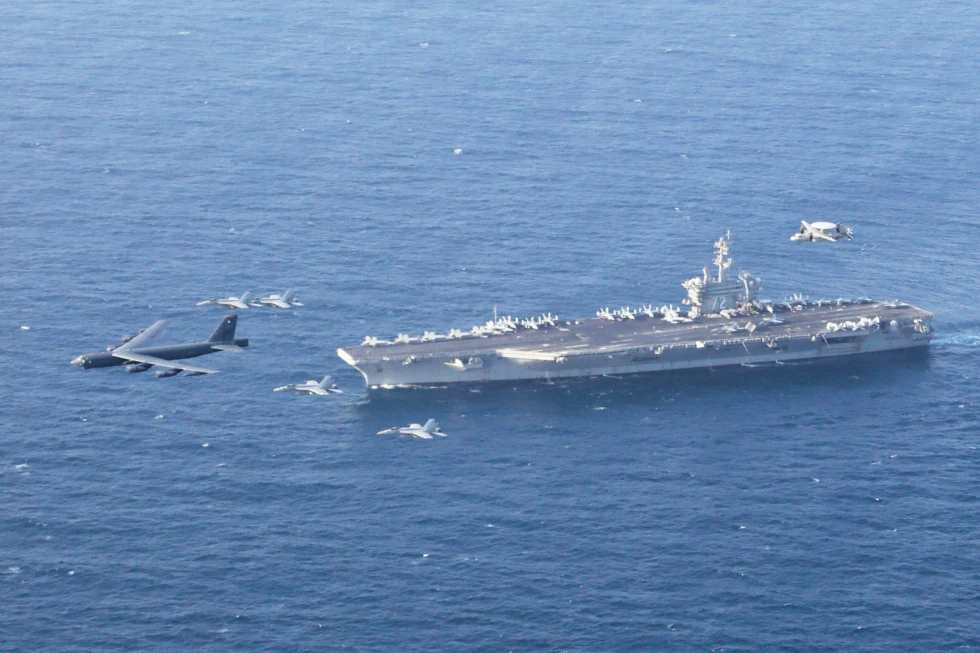
The US has increased military presence in the Caribbean, positioning 15,000 troops and a formidable naval fleet to counter alleged drug shipments from Venezuela. Trump previously authorized CIA operations aimed at destabilizing Maduro’s government, framing the intervention as a crucial step to safeguard American lives from drug-related crime.
The situation escalated after the US declared two Venezuelan criminal organizations as Foreign Terrorist Organizations, linking Maduro to global trafficking networks. However, analysts argue that poverty and mismanagement dominate the narrative of Venezuela as a drug transit country, overshadowing its actual influence in drug trafficking routes—most of which originate from neighboring Colombia.
Maduro's rise to power, driven by his predecessors' policies and support from the military, has faced scrutiny as he continues to consolidate power amidst worsening economic conditions in Venezuela. With elections marred by accusations of fraud and human rights abuses, the international community watches as the US's military strategy unfolds within this complex political landscape.