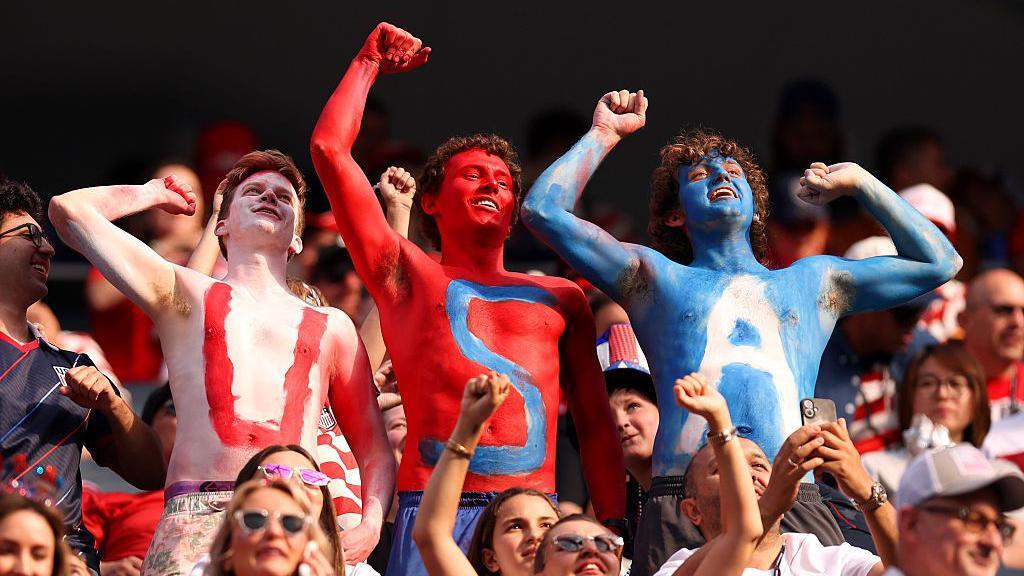
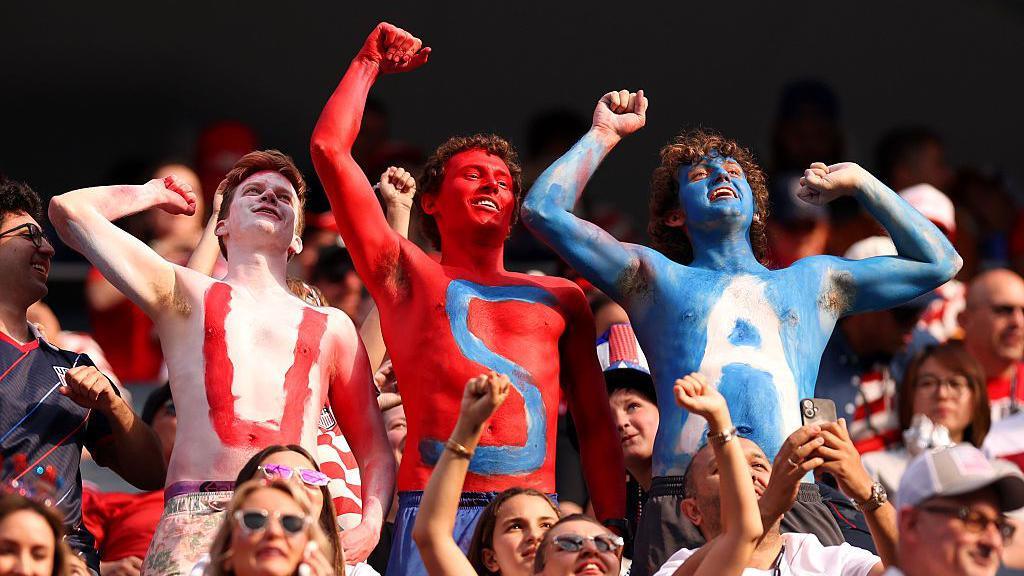
The roar of the fans
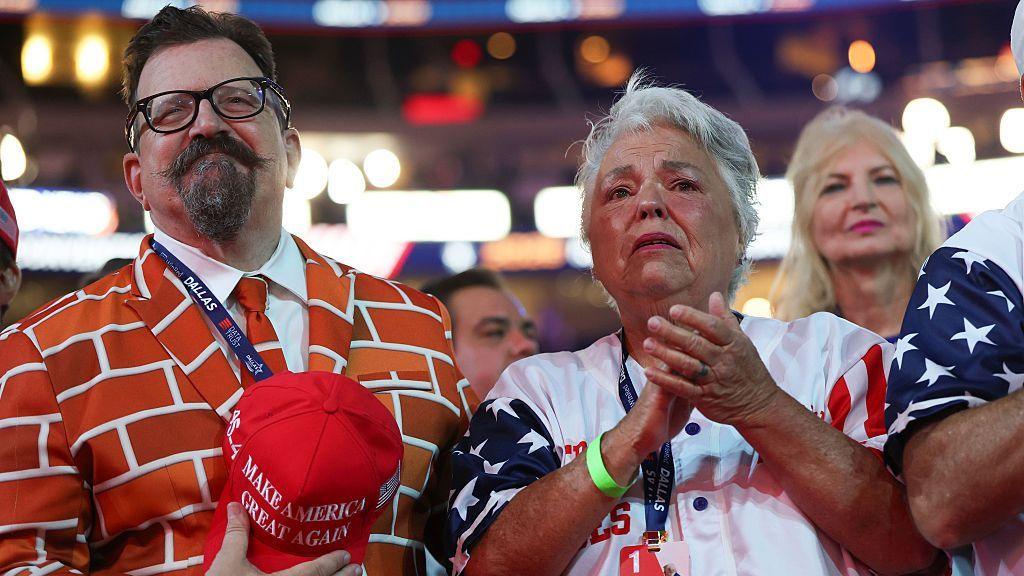
In cities across the United States, street‑corner streams of supporters have gathered in unprecedented numbers to root for the U.S. Men’s National Team. From Los Angeles to Seattle, pop‑up shops brimming with shirts and large screens broadcasting live matches have turned neighborhoods into temporary stadiums. Critics argue that soccer remains a niche sport, yet this World Cup is reshaping public perception and stamina for the game.
Numbers that speak
The United States drew an average 18 million viewers for the opener against Paraguay on Fox, while Telemundo added another 7 million for Spanish‑language broadcasts. Attendance across the host nation has already eclipsed the 1994 record, with 3.6 million fans in the first fortnight. These figures mirror the TV ratings of the NFL’s Super Bowl and the NBA Finals, signalling an audience hungry for global football.
Experts’ take
Analysts like Jeff Schneider of USC point to the growing, dedicated fan base but warn that soccer’s longer‑term entrenchment faces cultural hurdles. The game’s unpredictable scorelines and slower rhythm clash with America’s appetite for instant results, a tension highlighted by critics referencing the controversies involving Folarin Balogun’s resub‑mitted red card. Nonetheless, MLS’s expansion to 30 clubs and high‑profile signings such as Lionel Messi have begun to propel the sport toward mainstream recognition.
The road ahead
While the US team’s next battle against Belgium could decide a potential breakthrough, broader progress will rely on sustained youth participation, improved media accessibility, and the broader influence of immigrant communities and esports platforms like FIFA. Long‑term success will demand a shift in how Americans perceive persistence, teamwork, and the thrill of a chance goal in a sport that hasn’t historically dominated the national conversation.