
In brief
Following the assassination of Minnesota legislative leader Melissa Hortman and other violent incidents, lawmakers nationwide are prioritizing security enhancements in capitols. Key measures include locking state Capitol doors, implementing weapons detectors, and new laws allowing campaign funds for personal safety. This response aims to protect public officials and foster safer political engagement.
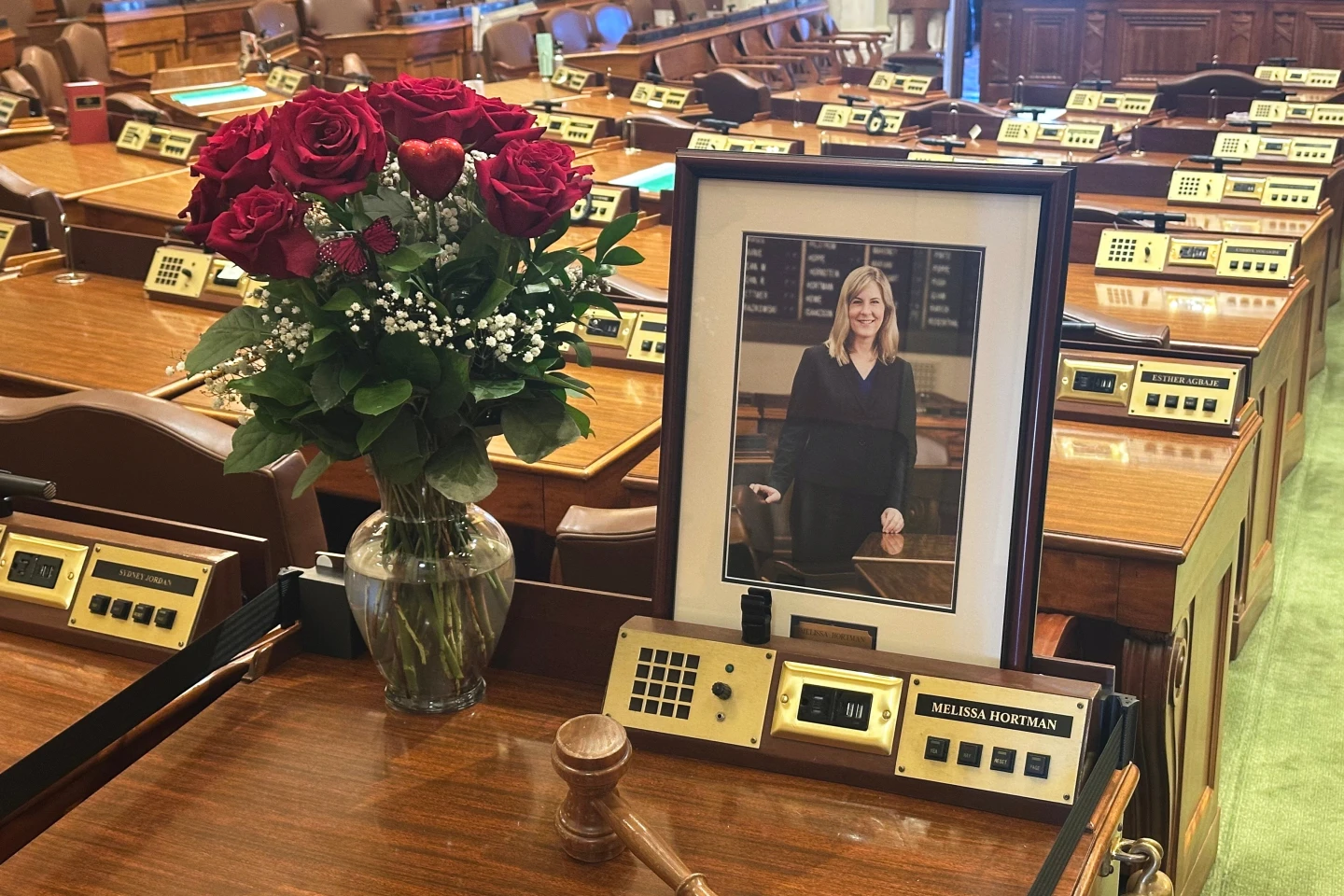
ST. PAUL, Minn. (Civitas) — Lawmakers from various states are intensifying security protocols in response to an alarming increase in political violence across the United States. The changes have come after the assassination of Minnesota Rep. Melissa Hortman in June 2023 and the killing of conservative activist Charlie Kirk, prompting a newfound urgency for protective measures for elected officials.
In Minnesota, significant changes have been implemented, including locking most Capitol doors and requiring visitors to pass through weapon detectors. The need for secure access to public officials has never been clearer, as highlighted by Minnesota Rep. Julie Green. “It's vital for us to ensure our government functions smoothly, despite the threats our legislators may face,” she stated, reflecting on the emotional weight of the current climate.
Stories of Violence Stir Action
The tragic events surrounding Hortman's death and Kirk's assassination echo a broader trend of violence targeting political figures, including past incidents such as the arson attack against Democratic Pennsylvania Gov. Josh Shapiro's home and a previous assassination attempt on Donald Trump. In the wake of these events, many states are looking to bolster security protocols for their legislators.
As of now, twenty-five states have approved the use of campaign funds for personal security. Recently, Alabama, Oregon, Nebraska, and Utah have enacted laws facilitating this support, with similar bills awaiting deliberation in numerous other states.
Read MoreSecurity measures continue to evolve beyond state legislature buildings. Over the past ten years, spending on security for congressional and presidential campaigns has surged dramatically, reflecting the increasing risks faced by political candidates.
Contrasting Approaches to Security
Metal detectors have become a common sight in state capitols, as seen in Alaska, where lawmakers voted in favor of them prior to Hortman's assassination. However, not all states share this sentiment. Wisconsin Assembly Speaker Robin Vos expressed reluctance to implement similar measures, viewing them as excessive and counterproductive.
In efforts to enhance safety, Minnesota lawmakers are also discussing the creation of a specialized unit within the State Patrol dedicated to safeguarding government officials. This initiative is being led by Democratic Sen. John Hoffman, a survivor of a violent shooting that coincided with Hortman's murder.
As legislative bodies across the U.S. grapple with these security concerns, numerous states are beginning to take action to better protect the identities and safety of their political representatives, with measures such as confidentiality bills being proposed.
The National Conference of State Legislatures has formed a fund to reimburse states for expenditures related to lawmakers' safety, with over 30 states expressing interest. Today's political environment necessitates a proactive approach to ensure the continued functionality and safety of democracy.