U.S. Military Unveils Testosterone Screening for Troops 30+
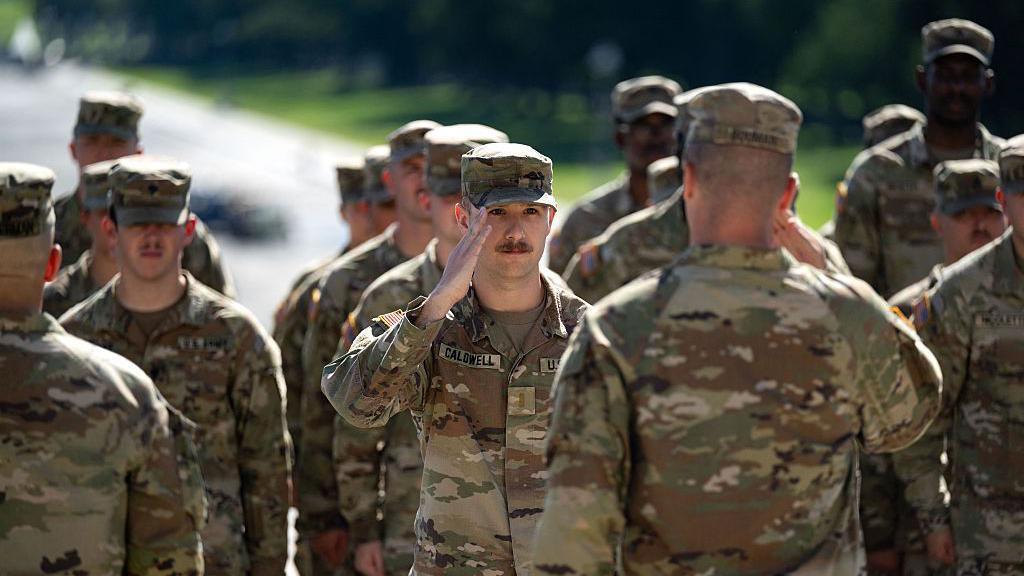
Defense Secretary Pete Hegseth announced that all active‑duty and reserve personnel aged 30 and older will receive mandatory testosterone level screening during their Periodic Health Assessment. The aim is to keep soldiers physically strong, mentally resilient, and medically ready for deployment and beyond.
Soldiers found to have low testosterone will be offered voluntary hormone replacement therapy. The program is specifically designed to support medical treatment rather than artificial performance enhancement, which is strictly prohibited without a medical prescription.
“We owe our warriors the absolute best medical care in the world,” Hegseth told a video posted on X. “Taking care of your long-term health means ensuring you remain strong, resilient and capable – not just for your next deployment, but for the rest of your life.”
The Pentagon emphasised that the testing protocol will help maintain a healthy, capable, and decisively dominant fighting force. The strategy follows recent FDA moves to loosen prescribing limits and remove restrictive labelling from testosterone replacement products.
Male volunteers under 30 can also request the screening if they wish. Discussion remains about whether women should receive similar screening for contraceptive or hormonal balance issues, but officials have declined to comment on the matter.
Prominent lawmakers have weighed in: Senator Tammy Duckworth called for chemistry to be offered to both men and women, while Representative Chrissy Houlahan criticised the initiative as a “culture‑war obsession.”
Orthopedic research shows that testosterone naturally declines between ages 30 and 40, affecting 10‑40% of older men worldwide – roughly 13 million in the U.S. Low testosterone can cause mood changes, reduced libido, and loss of muscle mass. A simple blood test is used to measure levels, and therapy can potentially increase muscle mass, reduce body fat and improve bone density.
Dr Mohit Khera, an FDA panel chair on testosterone use in the military, stresses the importance of careful diagnosis. “If young men take testosterone without a medical indication, it can cause infertility,” he warned. “It can also raise cardiovascular risk, so must be prescribed judiciously.”
The announcement comes amid wider discussions about hormonal health in the armed forces. The U.S. Health Secretary Robert F Kennedy Jr and other officials have sought to ease barriers for prescribing testosterone, and the FDA plans to remove safety language from product labels.

Additional reporting by Michelle Roberts