Ukraine is preparing to present a revised peace plan to the White House, as it seeks to avoid making territorial concessions to Russia.
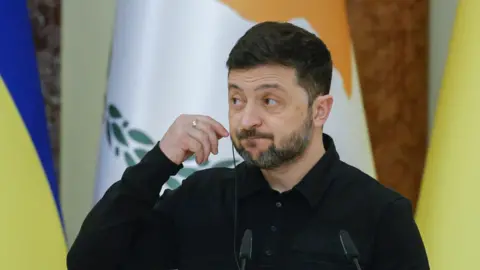
Kyiv is set to propose alternatives to the US after President Volodymyr Zelensky again ruled out surrendering land, stating he had no right to do so under Ukrainian or international law.
Zelensky made the comments while meeting European and NATO leaders, part of a collective effort to persuade the US not to back a peace deal that includes major concessions for Ukraine, which could leave it vulnerable to future attacks.
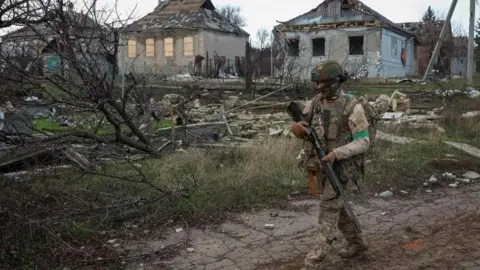
Meanwhile, the city of Sumy in northwestern Ukraine experienced a power outage overnight following a Russian drone attack.
The region's governor reported that over a dozen drones hit power infrastructure, marking another instance in Russia's nightly assaults. Fortunately, no fatalities were recorded.
Zelensky's diplomatic efforts in Europe come after US and Ukrainian negotiators engaged in intensive discussions over the weekend, which did not culminate in a conclusive agreement suitable for Kyiv.
During the news conference, Zelensky mentioned that his team could dispatch a new proposal to the US as soon as Tuesday.
On the topic of territorial concessions, he asserted, Russia is insisting that we give up territories, but we don't want to cede anything. We have no legal right to do so under Ukrainian law, our constitution, and international law. And we don't have any moral right either.
Zelensky has consistently maintained that any shifts in Ukraine's borders would need to be sanctioned via a public referendum.
He highlighted the eastern Donbas region and the Zaporizhzhia nuclear power plant as particularly sensitive issues. The original US proposal had suggested Ukraine relinquish total control of the Donbas to Russia, despite ongoing resistance from Ukrainian forces.
Current drafts from US-backed negotiations have been trimmed down from 28 to 20 points, with assurances that no pro-Ukrainian elements were removed, though territorial compromise remains off the table.
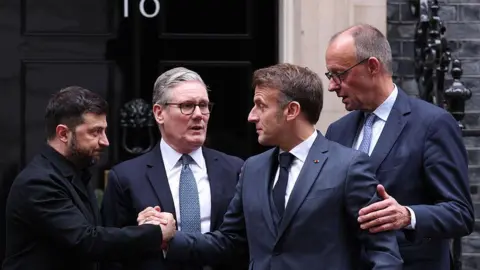
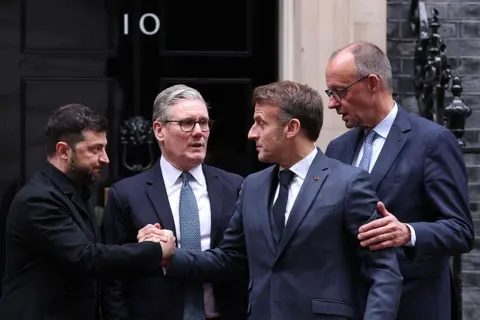
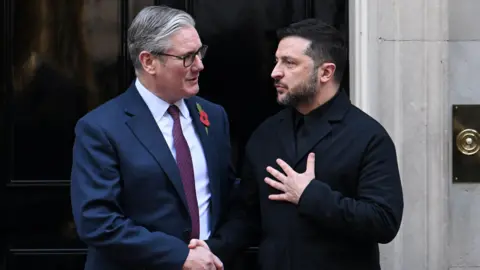
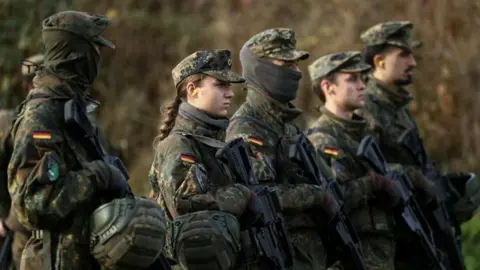
A recent summit in London involving Zelensky, UK Prime Minister Keir Starmer, French President Emmanuel Macron, and German Chancellor Friedrich Merz underscored coalition support for Ukraine amidst growing US pressure.
Expectations for enhanced security guarantees are also under consideration, as leaders hope to create an international coalition that can offer ongoing military support to Ukraine if a peace deal is reached.
Letting specifics shape future defense arrangements remains uncertain, and while the UK and France proposed the possibility of deploying international forces in Ukraine, skepticism persists among pivotal European defense leaders.
Following London discussions, Zelensky is scheduled to meet NATO chief Mark Rutte and EU Commission president Ursula von der Leyen in Brussels, with further talks planned in Italy.
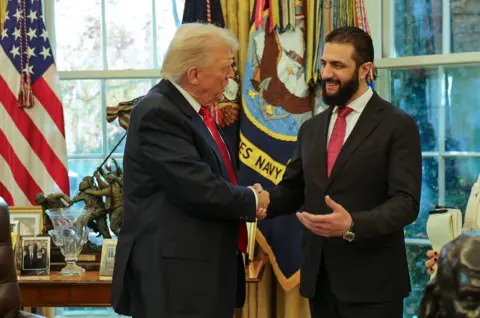
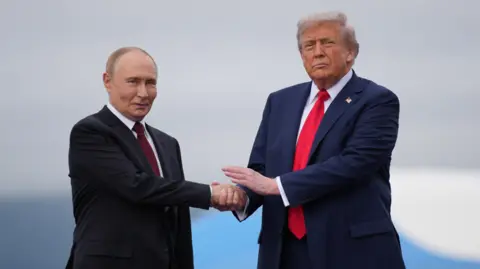
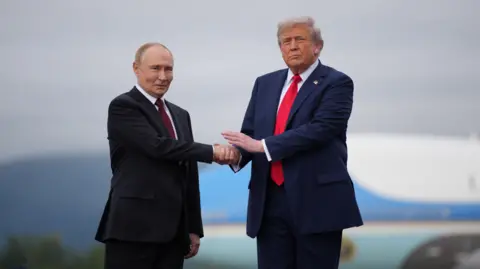
Despite claiming constructive dialogue with the US, Russia's stance appears unchanged, as evidenced by comments from former President Trump regarding perceived obstacles in the peace process.