The peace agreement brokered by Donald Trump for eastern Democratic Republic of Congo (DRC) is under severe strain following the M23 rebel group's takeover of the strategic city of Uvira. This move has prompted US Secretary of State Marco Rubio to denounce Rwanda's involvement as a clear violation of the newly inked deal, which was celebrated as a historic achievement.
In the wake of the US-brokered agreement, where DRC President Félix Tshisekedi and Rwanda President Paul Kagame met, the M23 claimed it had fully liberated Uvira amid accusations that its advance was bolstered by support from Rwanda. Western powers, including the US, have attributed the escalation of violence directly to the actions of Rwanda, despite the latter denying any wrongdoing.
The M23, which is not a signatory to the peace deal, has been engaged in a competing process led by Qatar. Analysts suggest the new offensive might be an attempt to gain leverage in these negotiations or destabilize the region further, complicating the peace landscape that had just been established.
Prof Jason Stearns, an expert on the region, indicated that the assault on Uvira undermines current peace negotiations and reflects Rwanda's mistrust towards Tshisekedi's government. The city is of particular strategic importance as it provides Burundi access to support their military operations against the rebels. With around 10,000 Burundian troops previously stationed in South Kivu, the M23's control of Uvira poses a significant challenge to regional dynamics.
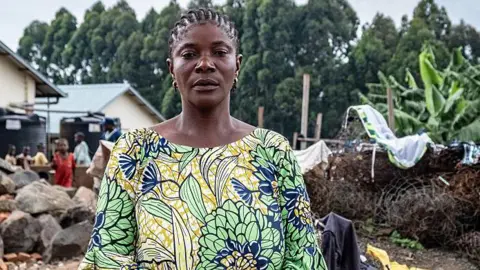
As the conflict escalates, humanitarian agencies report tens of thousands of people fleeing into Burundi, with the potential for wider regional instability. Political leaders in the DRC are now under intense pressure to respond effectively to the recent setbacks, with many questioning the viability of the peace process and the role of international actors in averting further conflict.