
In brief
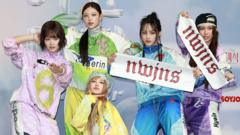
In the face of workplace harassment allegations by K-pop group NewJeans, South Korea's Ministry of Employment and Labor classified celebrities as independent contractors, not workers, which has sparked outrage among fans and advocates urging for labor protections in the entertainment sector.
South Korea's entertainment industry is once again at the center of a heated debate as recent claims by the popular K-pop girl group NewJeans have been met with a rejection from the government. The Ministry of Employment and Labor announced on Wednesday that it does not recognize celebrities, including the members of NewJeans, as workers under the country’s labor law, thereby denying them the rights associated with worker status.This decision follows allegations of workplace harassment made public by the group’s members during a livestream on September 11. In the now-deleted video, 20-year-old member Hanni, along with her bandmates, voiced their concerns about their treatment by their record label, Ador. Hanni's emotional testimony included claims that the company fostered a hostile environment, with instances of being ignored by senior members and being subjected to disparagement within internal communications.Despite these serious allegations, the South Korean authorities asserted that due to the terms of the management contract, the members of NewJeans do not qualify as workers under the Labour Standards Act. According to legal experts, this classification hinges on criteria such as fixed working hours and direct employer oversight, which are typically absent for celebrities categorized as independent contractors. The financial model further complicates matters since their earnings are considered profit sharing rather than traditional wages.The reaction from fans has been swift, with many rallying under the hashtag "IdolsAreWorkers," voicing their support for the band and advocating for revamped labor laws in the entertainment industry. Critics of the ministry's stance describe the response as "unfair and unsurprising," drawing attention to the emotionally and physically taxing nature of K-pop work environments that demand grueling hours without structured breaks.Experts highlight the lack of specific labor protections for artists in South Korea and the absence of a union to advocate for their rights. The ongoing situation has brought to light the urgent need for legal reforms to rectify these longstanding issues, similar to the Talent Agency Act in Hollywood that regulates talent representation and seeks to prevent exploitative contracts.Hanni's recent testimony and the ministry's subsequent dismissal of the harassment claims have highlighted the inequities present in the K-pop industry, igniting a broader conversation about how society perceives celebrity labor. Fans and advocates continue to push for legal changes that would better protect performers and ensure dignified working conditions in a notoriously demanding industry.