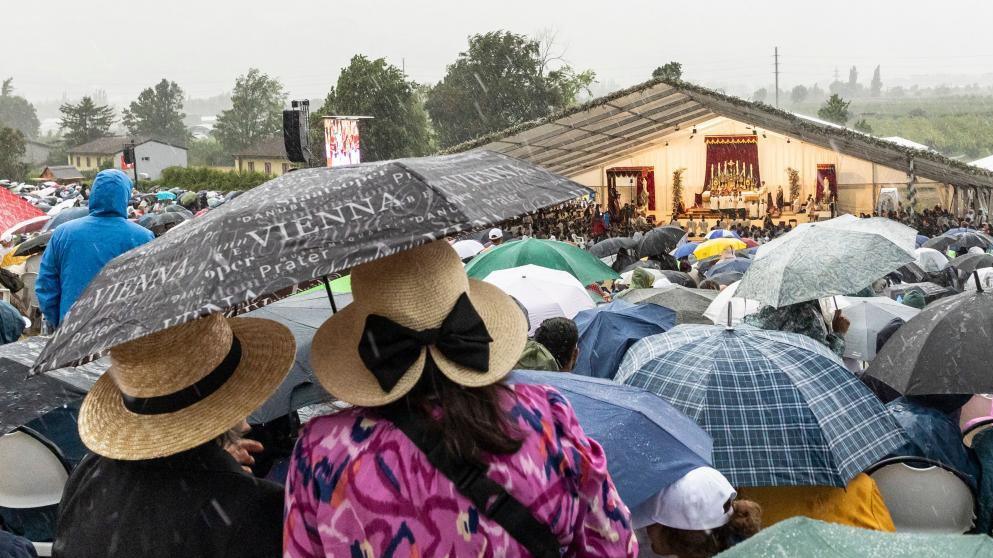
The Vatican issued a decree on 2 July that excommunicates all six bishops of the Society of Saint Pius X (SSPX) and any lay supporters who “formally adhere” to the group. The action comes a day after the Society, without Pope Leo XIV’s permission, consecrated four new bishops.
The Decree
The Vatican’s short statement lists the Society’s bishops as excommunicated and further declares that any lay member who continues to support the group will be considered schismatic and likewise excommunicated. The decree clarifies that members who abandon the Society will receive a warm welcome back into the Church.
About the SSPX
Founded in 1970, the Society was created to oppose the sweeping changes of the Second Vatican Council, especially the modernised liturgy. It presently serves about 600,000 faithful worldwide and maintains traditional liturgies in the Latin language, priests facing the altar, and the use of a strict eucharistic rite whereby the bread is given directly to seated worshippers. The group opposes dialogue with other Christian traditions and adheres to conservative social values.
Rita Reid, a 76‑year‑old SSPX worshipper from Jersey, noted the decree “doesn’t change our faith.” She said the Community’s rituals feel profoundly authentic and align with her perception of the true presence of Christ. She also expressed disappointment that modern Catholic services no longer emphasise traditional moral teachings.
The commune’s presence is most noticeable in the United States and France, though Masses are celebrated in 26 sites across the United Kingdom, from Lerwick to Devon, with Wimbledon as the primary hub. A previous episode in the 1980s led to the excommunication of some bishops for violating Rome, a sanction that was later reversed.
The Vatican emphasised that the Sacred Ministers of the SSPX administer sacraments illicitly, rendering such rites invalid and placing a firm divide between the Society’s members and the official Church. The excommunication effectively removes them from sacraments, confession, and marriage within Catholicism. The declaration also distances the Group from the Vatican’s approach to doctrinal reforms and ecological alliances.