Venezuela Earthquake: Citizens Outrage Over Delayed Rescue Efforts
The twin earthquakes that struck Venezuela last week, killing almost 1,700 people, have left the city of La Guaira in a state of chaos and fury. Families desperate for answers accuse the government of a slow and inadequate response, pointing to a lack of rescue machinery, delayed arrival of official teams and poor coordination.
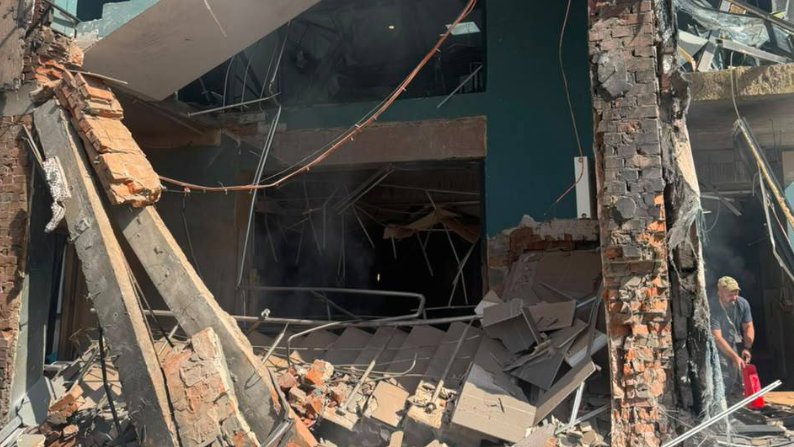
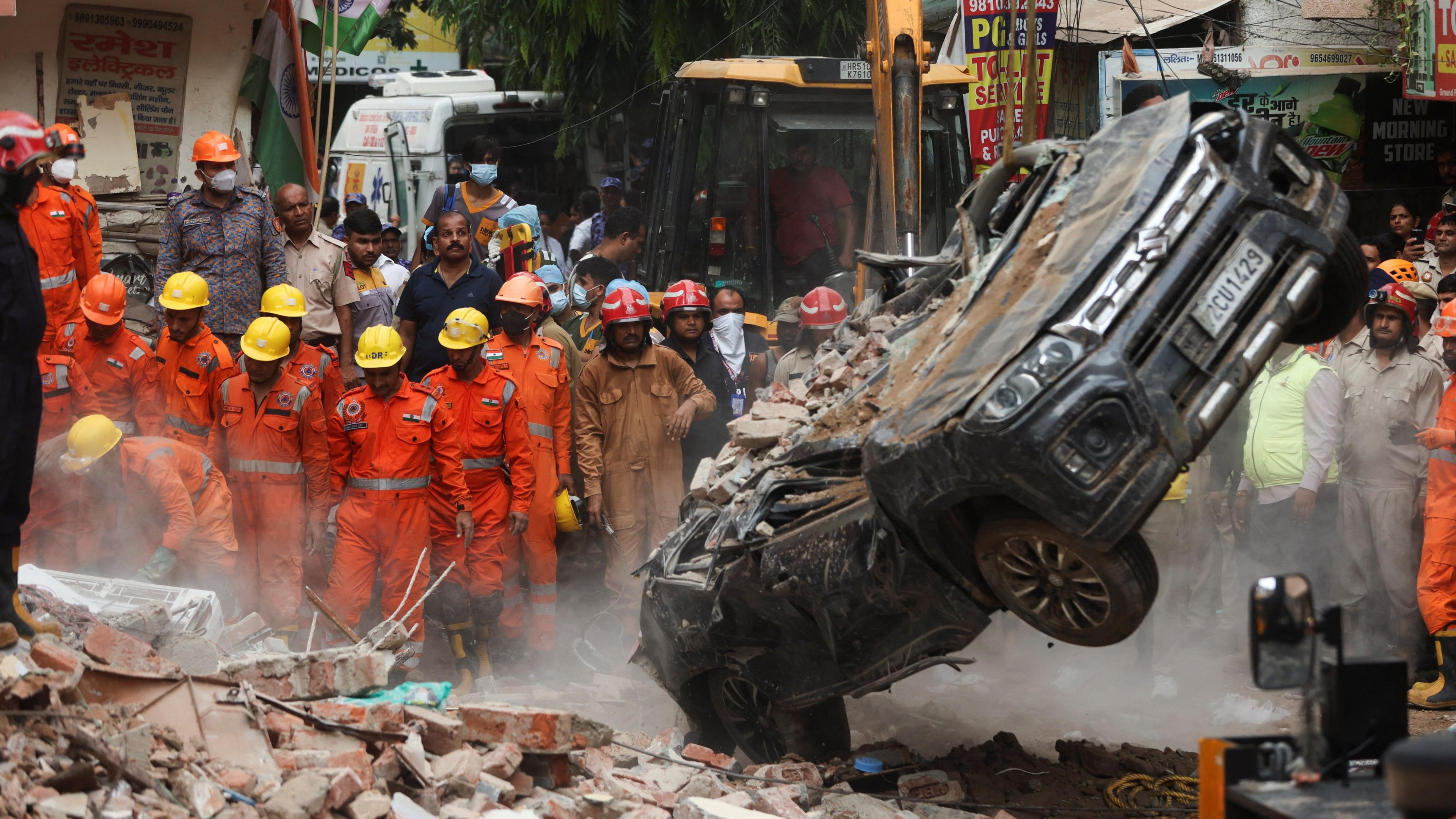
At the heart of the crisis is a collapsed 12‑storey government building on a busy coastal road. Residents such as Miguel Oscar Nunez, whose son Angel still lies under the rubble, lam‑bda describe feeling neglected: "His son is still trapped. We need more help. The government’s neglect could cost his life."
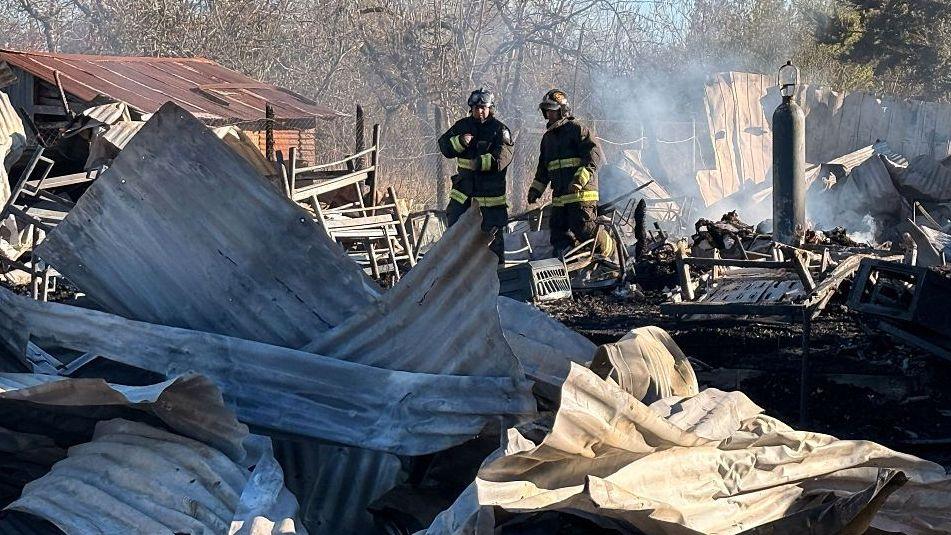
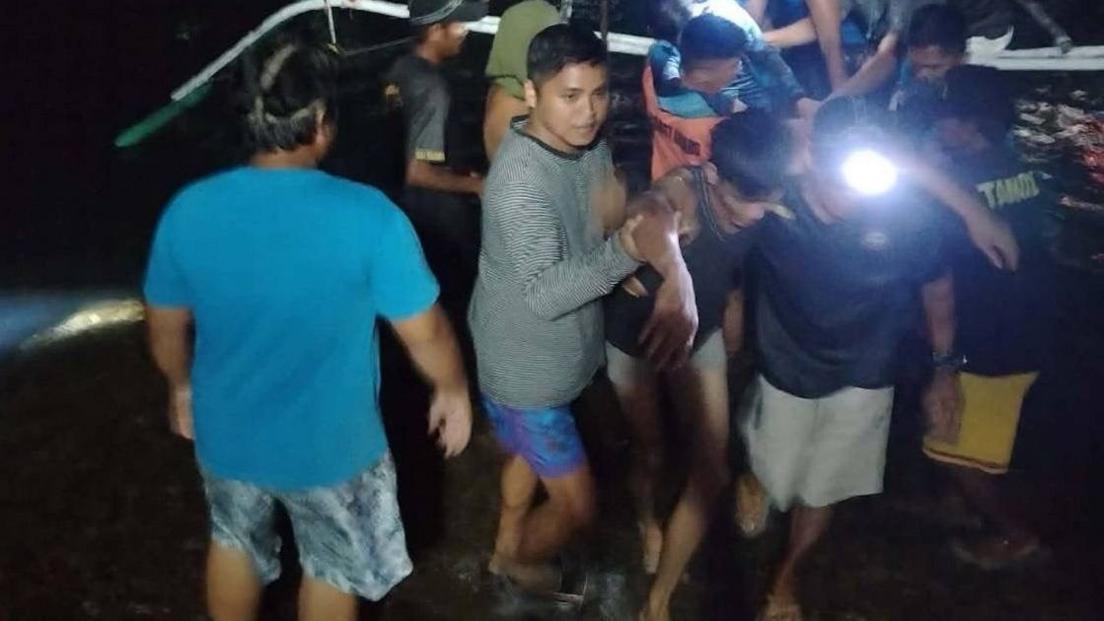
Images of the scene reveal frantic civilian efforts. Local volunteers dig with shovels and crowbars, while a tired police squad stands nearby offering no assistance. In the dim light of rubble, the stench and silence are suffocating.
Official rescue teams eventually arrived just two days after the quake, with support from foreign organisations. Yet many survivors say the delay delayed the search for survivors and allowed many more to die.
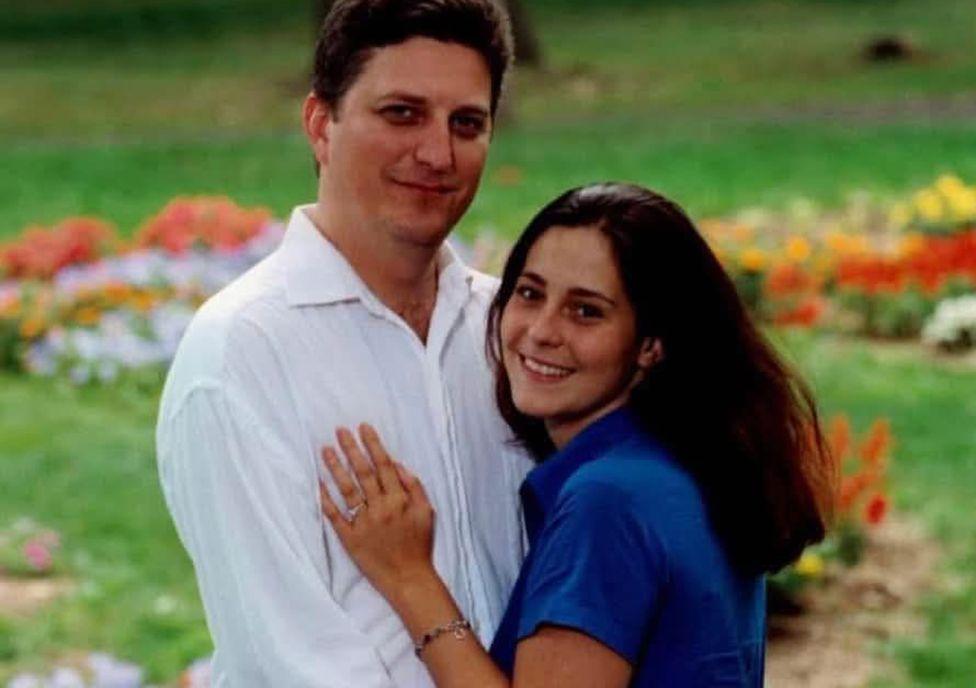
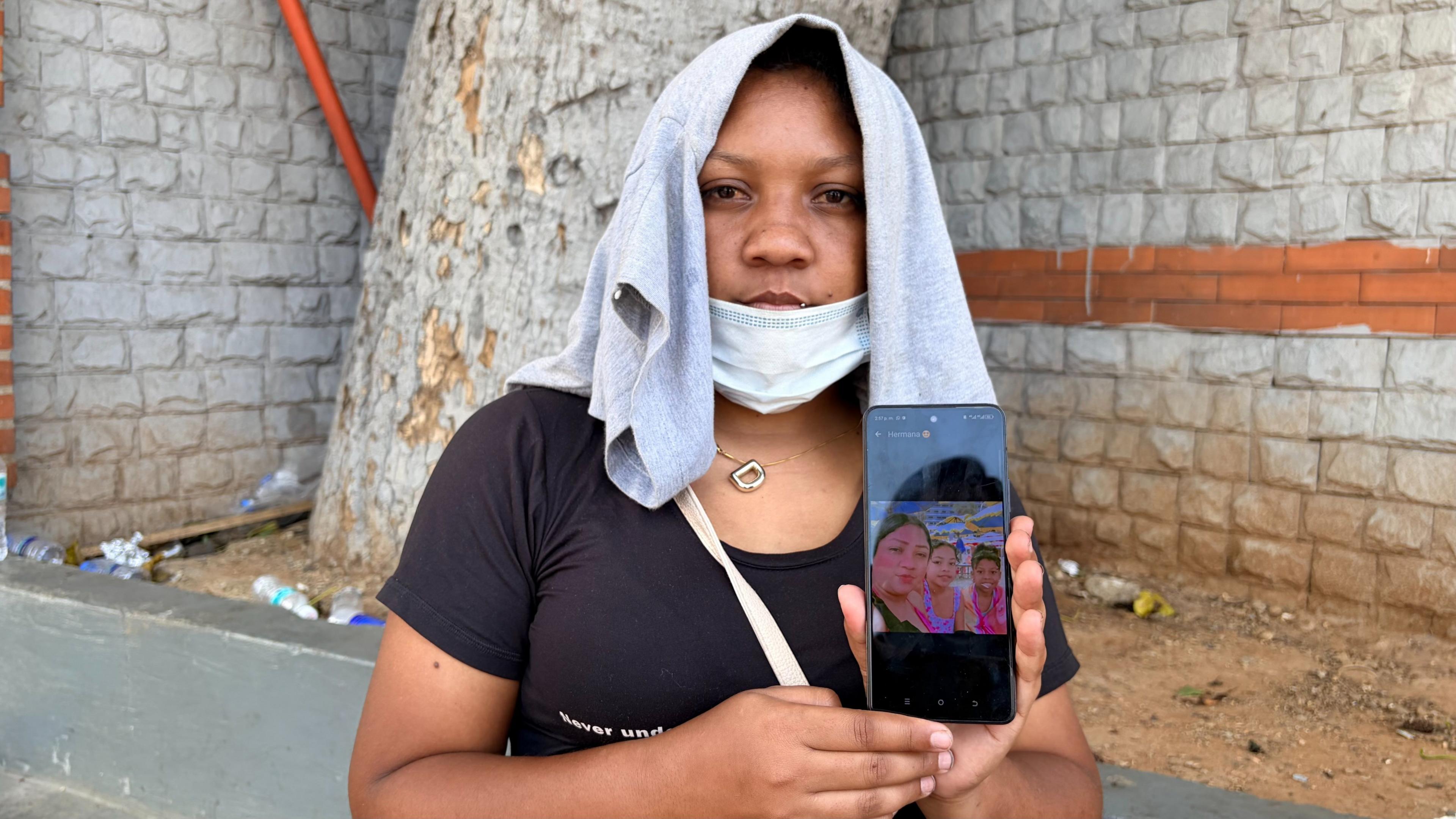
Deilisbeth Herreira, a single mother who lost her daughters to the collapse, recounts how the government has left her and many others with no machines or help, forcing her to rely on her own strength to keep searching for loss.
In a larger context, the disaster spotlights failures in disaster preparedness and response across Venezuela. The nation’s fallen infrastructure, political instability and dwindling resources have all thwarted coordinated efforts, leaving civilians to pay the cost of the state’s inaction.
As investigations continue, citizens and activists demand accountability and more effective emergency management. They have called for transparent, coordinated relief that will help survivors and prevent future tragedies.