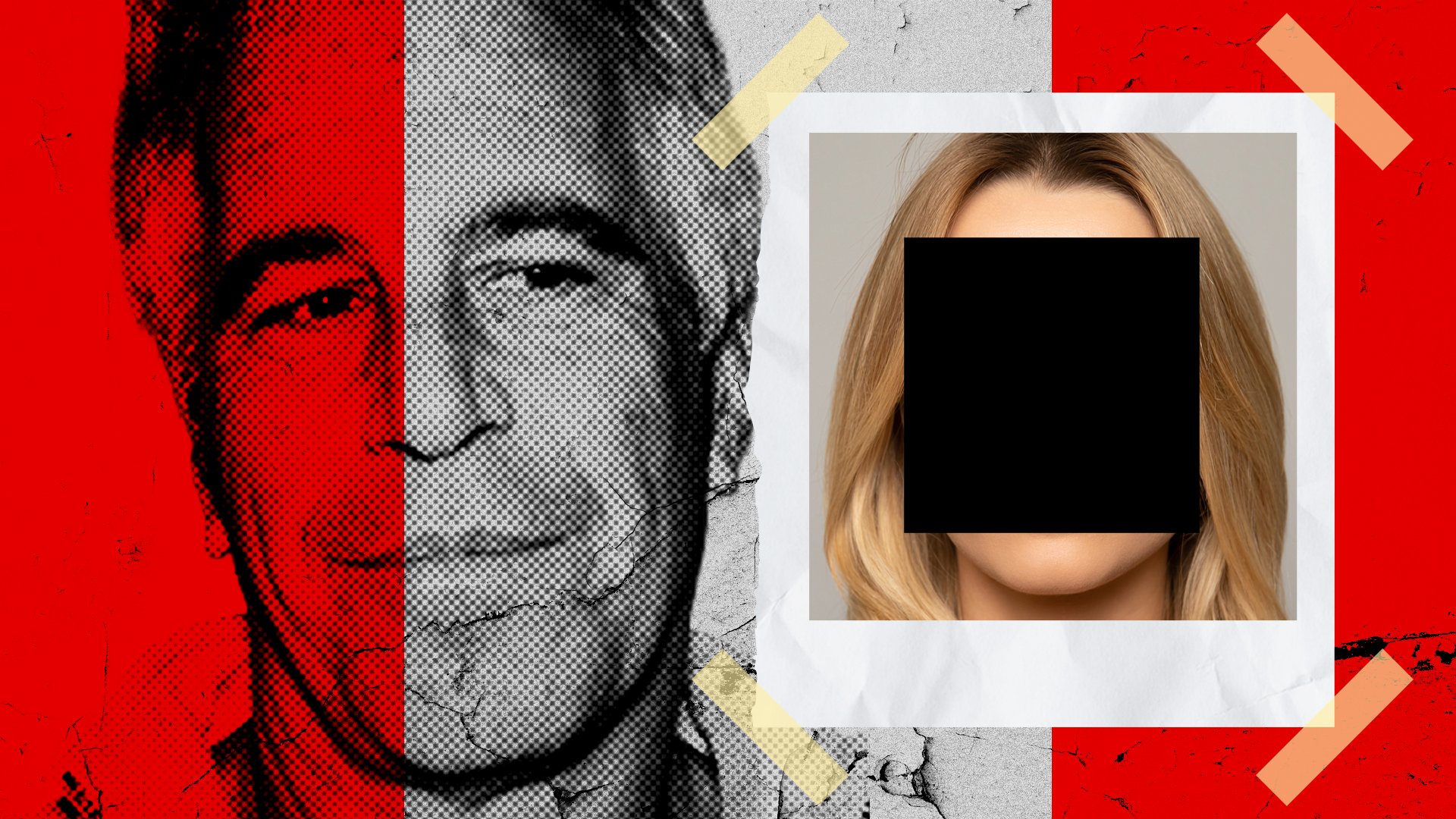
Simon Andriesz, a former managing director at a Wall Street firm, spent months combing through over three‑million pages of documents released from the Jeffrey Epstein case, hoping to uncover evidence that would help explain how key political figures were connected to the convicted sex trafficker.
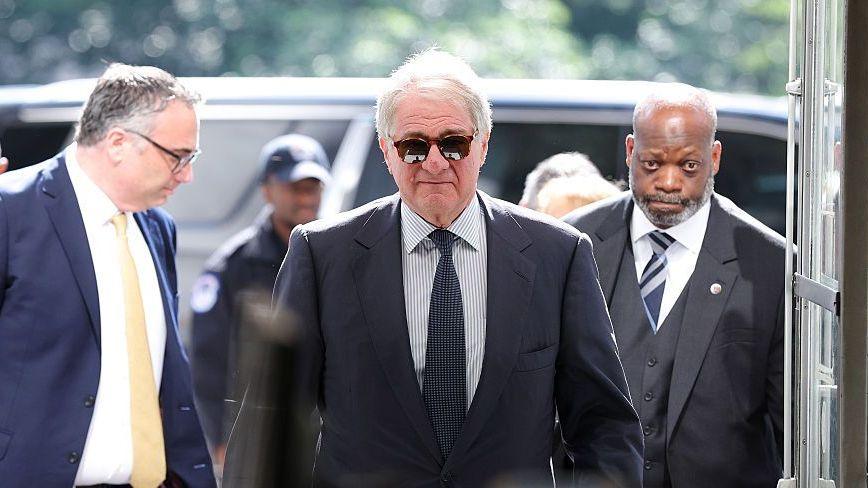
His search led to a 2018 email chain in which Howard Lutnick, the U.S. Commerce Secretary, discussed a planned start‑up venture called Adfin with Epstein. The correspondence shows Epstein asking Lutnick, via the short form HWL, about the prospects for the company, with Lutnick replying that the firm was beginning to produce revenue and needed to become economically self‑sufficient.
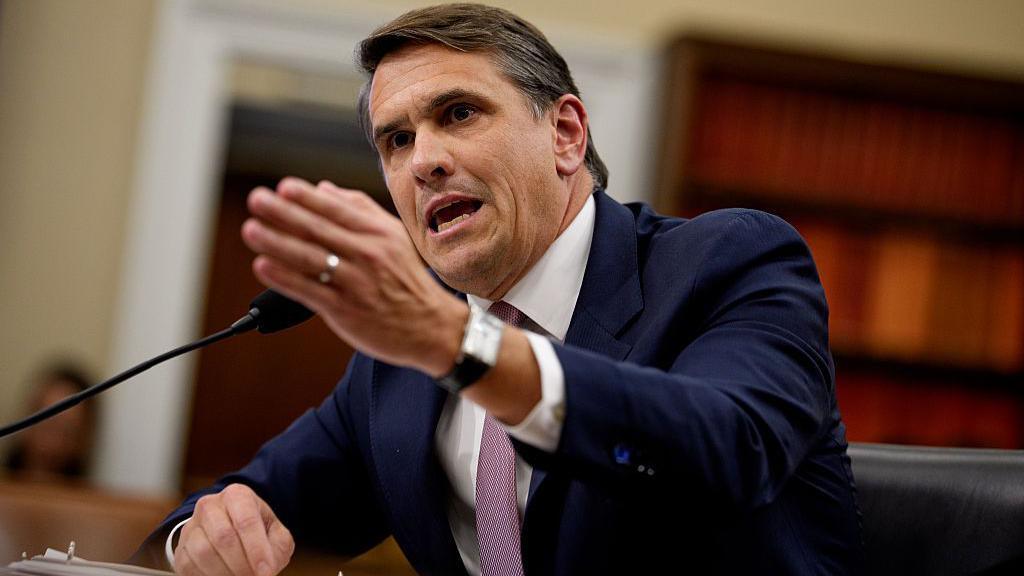
Having uncovered this material, Andriesz forwarded the emails to members of the House Oversight Committee before Lutnick’s scheduled testimony in May. The committee’s bipartisan members have denounced Lutnick’s statements, filing a letter demanding his resignation, and calling his denial of knowledge a lie.
During his hearing, Lutnick insisted he had not been aware of Epstein’s role as an investor until this year, and he pledged to denounce the convicted paedophile’s conduct. The U.S. Commerce Department responded that there is no evidence of wrongdoing on Lutnick’s part and that the allegations are a partisan attempt to distract from the administration’s work.
Andriesz’s revelations extend beyond the email chain. The Epstein files also contain documents suggesting that Lutnick’s firms were in negotiations in 2013 to “buy a prince” – a plan involving a £1 million loan to Andrew Mountbatten‑Windsor, a former prince who was later stripped of his titles – with the expectation that he would funnel wealthy clients directly to Cantor Fitzgerald.
While the proposed deal never materialised, the records reveal the depth of associates’ relationships and the extent to which the U.S. financial sector had engaged with individuals tied to Epstein. The debate over Lutnick has highlighted broader questions about transparency, conflicts of interest, and the protections afforded to whistleblowers in the United States and abroad.