In brief
After a long legal saga sparked by a bitter political feud, the Supreme Court of Appeal ruled that former President Edgar Lungu will be laid to rest in South Africa where he died. The decision overturned a Pretoria court order that had allowed the Zambian government to repatriate the body for a state funeral. The ruling protected the family’s wish for a private burial and ceded control of the posthumous honour to relatives. While Zambia’s government will not pursue the matter further, the case highlights how political rivalries can shape national mourning and the legacy of leaders. The outcome is expected to reduce tensions, although the broader debate over post‑humous recognition continues.
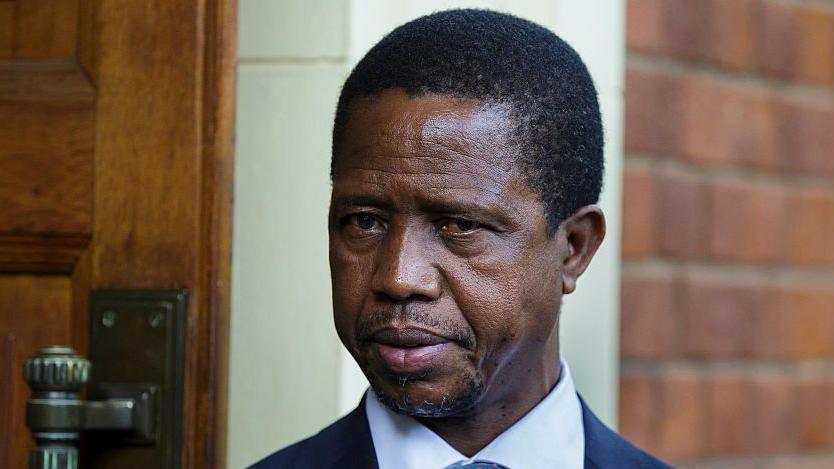
One year after his death, former Zambian President Edgar Lungu’s relatives have secured a legal victory, ensuring the former leader will be laid to rest in the country where he died – South Africa.
The judgment of the Supreme Court of Appeal overturned a high‑court ruling that had authorised the Zambian government to move the ex‑president’s body back home for a state funeral. The court found that the family’s wishes – to be buried privately and without presence of President Hakainde Hichilema – were legally protected.
The dispute has reflected a long‑standing feud between Lungu, who led Zambia from 2015 to 2021, and Hichilema, who ousted him in the 2021 election. The case has gone through multiple courts, from Pretoria’s high court to Zambia’s Supreme Court, keeping the nation’s leaders in public debate.
The Zambian government, although rejecting the ruling, said it would not pursue the matter further – a concession that may signal a softer stance on the issue of state funerals and post‑humous honours.
For many in Zambia, the outcome underscores the right of families to decide how a deceased leader is honoured, lest political divisions dictate fates beyond life. The decision is expected to ease tensions, although the broader debate over national identity and leadership legacy will continue.