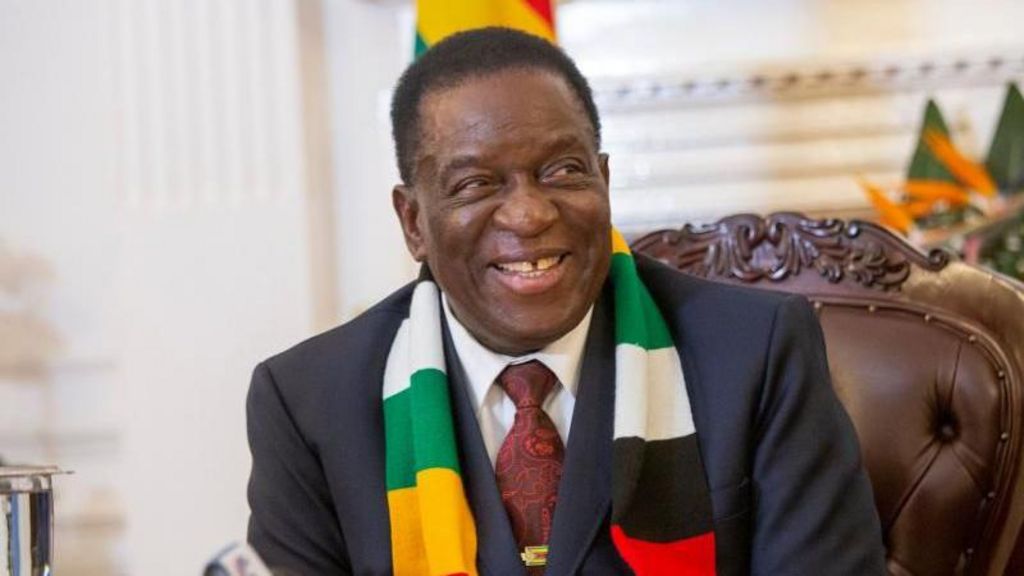
Zimbabwe’s lower house of parliament has passed a constitutional amendment that will extend the presidential term from five to seven years and eliminate direct elections. The change will leave President Emmerson Mnangagwa in office until 2030, when his second term is scheduled to conclude.
The amendment passed with 216 lawmakers voting in favour, surpassing the 187 votes required for a two‑thirds majority. Parliament was also granted the authority to elect a new president, thereby shifting the power‑selection process from the electorate to the legislature.
The bill is now headed to the Senate, where it is expected to secure further approval before being enacted by the president. While the ruling Zanu‑PF party frames the move as a stabilising reform, opposition parties, civil society groups and constitutional lawyers insist it should be subjected to a nationwide referendum to ensure democratic legitimacy.
Mnangagwa rose to power in 2017 following the ousting of long‑time ruler Robert Mugabe and has since won contested elections in 2018 and 2023. The constitutional change comes at a time when critics question his record on economic management, electoral fairness and democratic governance.
An earlier legal challenge seeking to block the amendment was dismissed by the Constitutional Court on Wednesday, clearing the way for the new provisions to come into force.
The amendment’s provisions include: scrapping direct presidential elections, extending parliamentary and presidential terms from five to seven years, delaying parliamentary elections from 2028 to 2030, and enabling Parliament to elect the next president. These changes have sparked widespread debate on the balance between stability and democratic accountability in Zimbabwe’s political future.