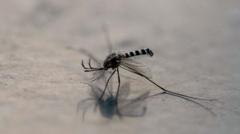
Despite facing mockery on social media, Cernal emphasized the necessity of the program amid rising health risks, noting the densely populated nature of their community, which houses nearly 70,000 residents. So far, 21 individuals have claimed their rewards, submitting a total of 700 mosquitoes and larvae. The bounty is part of a broader response to the dengue virus, which is transmitted by mosquitoes and has surged due to seasonal rains exacerbating conditions for breeding.
The Philippine Department of Health acknowledges the efforts of local officials to mitigate dengue but refrains from commenting on the effectiveness of mosquito bounties. They have recommended public education on sanitation practices and mosquito prevention strategies, urging a collaborative approach with health authorities.
Dengue fever remains a significant public health challenge in tropical regions, often leading to severe complications in severe cases. As local officials implement creative solutions, the urgency of preventing further outbreaks grows, prompting communities to engage actively in the fight against the disease.
As the programme continues for a month, Barangay Addition Hills serves as an experimental case study in unconventional public health strategies, illustrating both the challenges and the innovative responses generated by communities facing persistent health threats.
The Philippine Department of Health acknowledges the efforts of local officials to mitigate dengue but refrains from commenting on the effectiveness of mosquito bounties. They have recommended public education on sanitation practices and mosquito prevention strategies, urging a collaborative approach with health authorities.
Dengue fever remains a significant public health challenge in tropical regions, often leading to severe complications in severe cases. As local officials implement creative solutions, the urgency of preventing further outbreaks grows, prompting communities to engage actively in the fight against the disease.
As the programme continues for a month, Barangay Addition Hills serves as an experimental case study in unconventional public health strategies, illustrating both the challenges and the innovative responses generated by communities facing persistent health threats.