Israel and Hezbollah Agree Ceasefire, US Says, as More Lebanon Strikes Reported
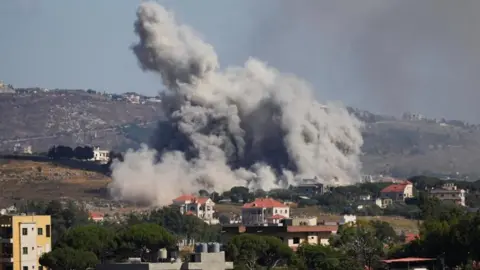
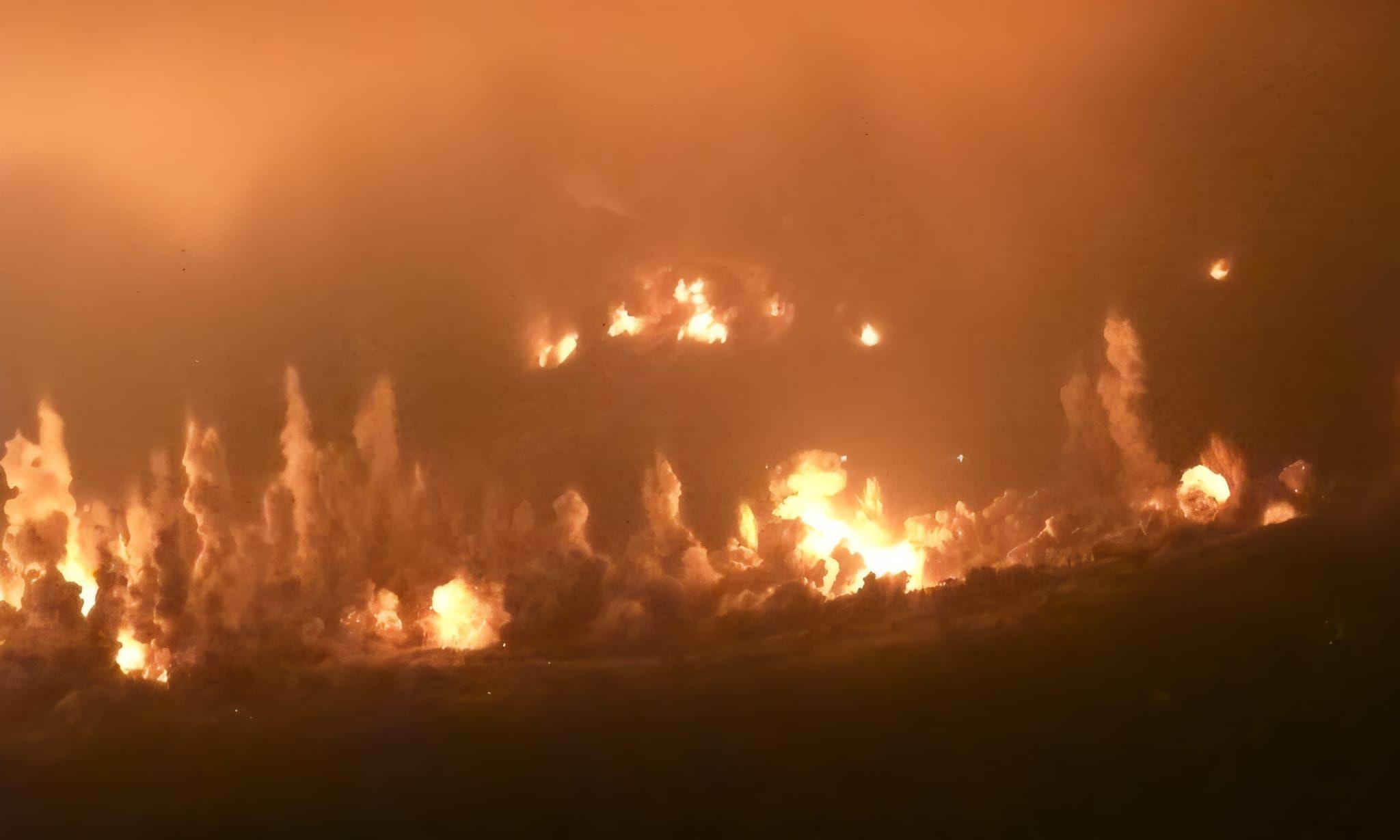
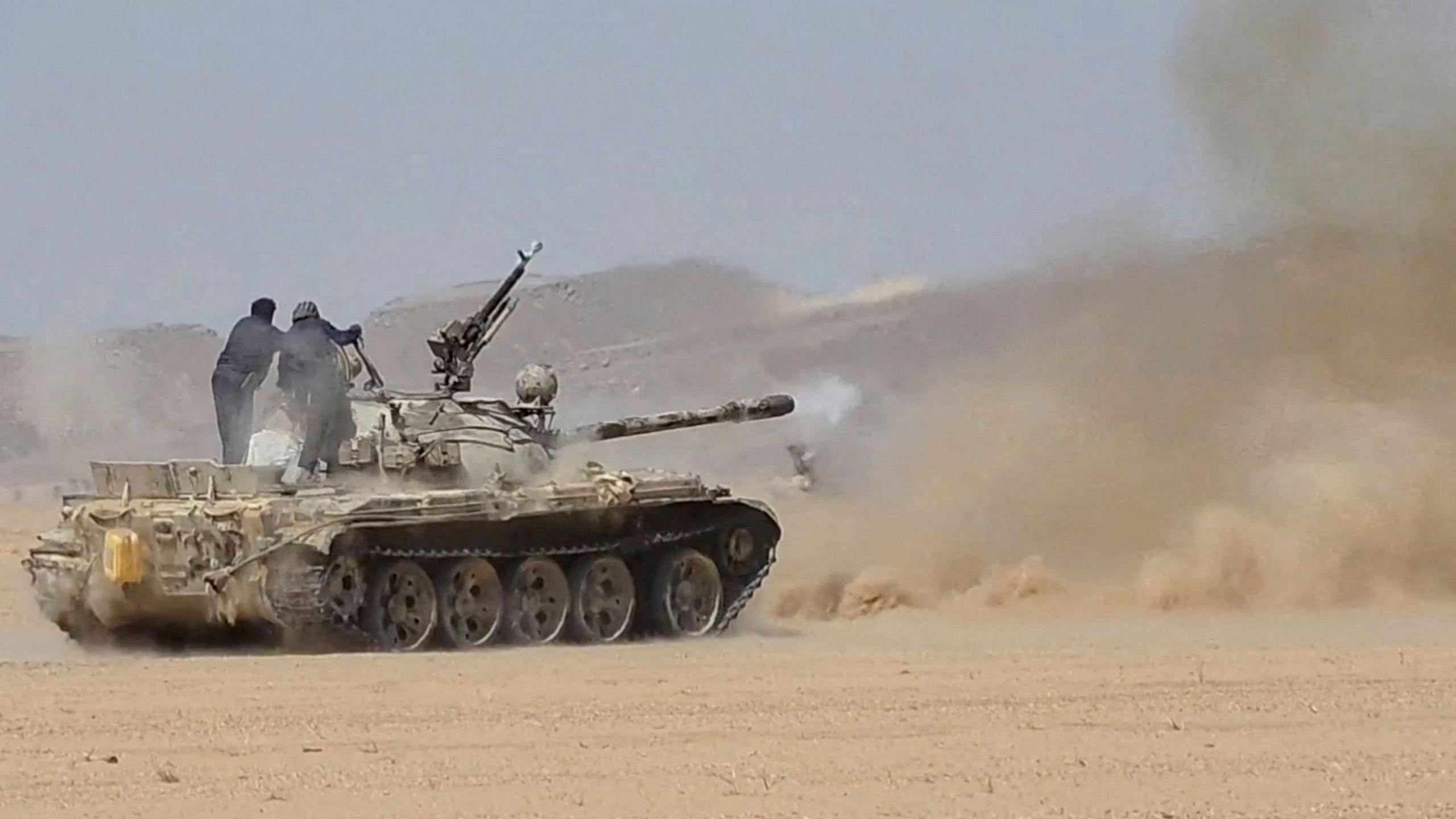
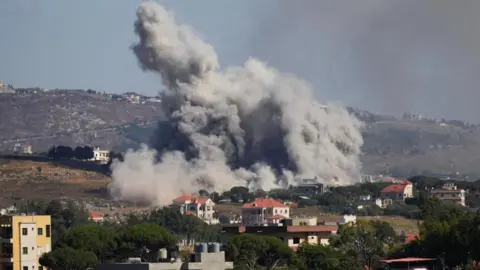
A ceasefire between Israel and Hezbollah has reportedly been agreed, according to a U.S. official, following a week of intense Israeli air strikes in southern Lebanon that claimed the lives of 47 civilians and injured 97 others.
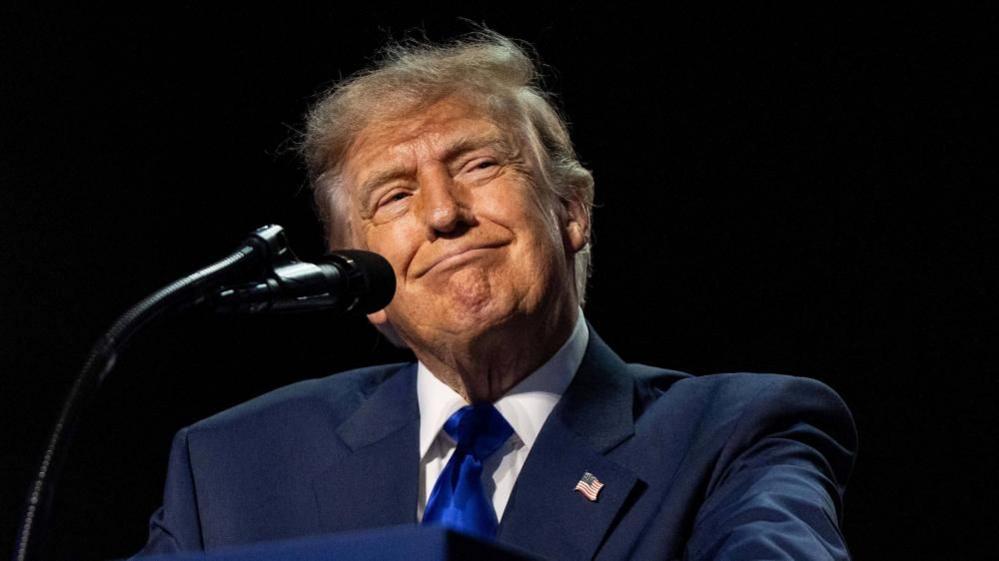
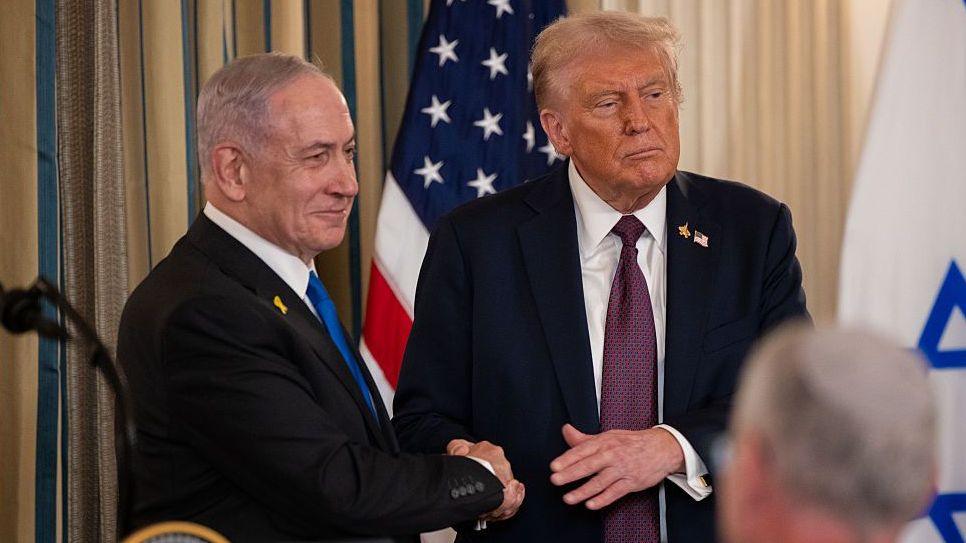
The accord came after fears that further hostilities—an exchange that saw Hezbollah kill four Israeli soldiers—would jeopardise the United States–Iran truce that had been brokered under the Trump administration.
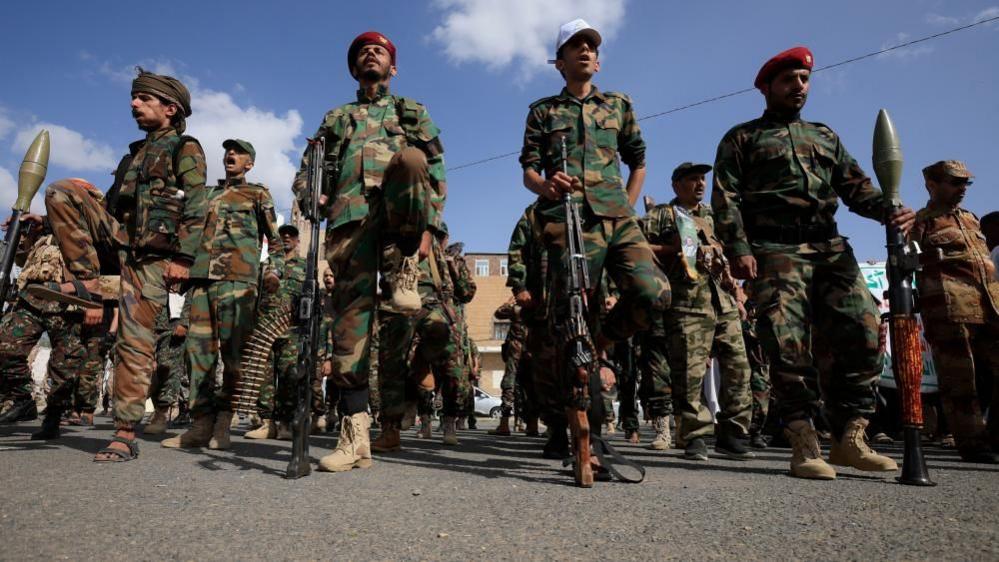
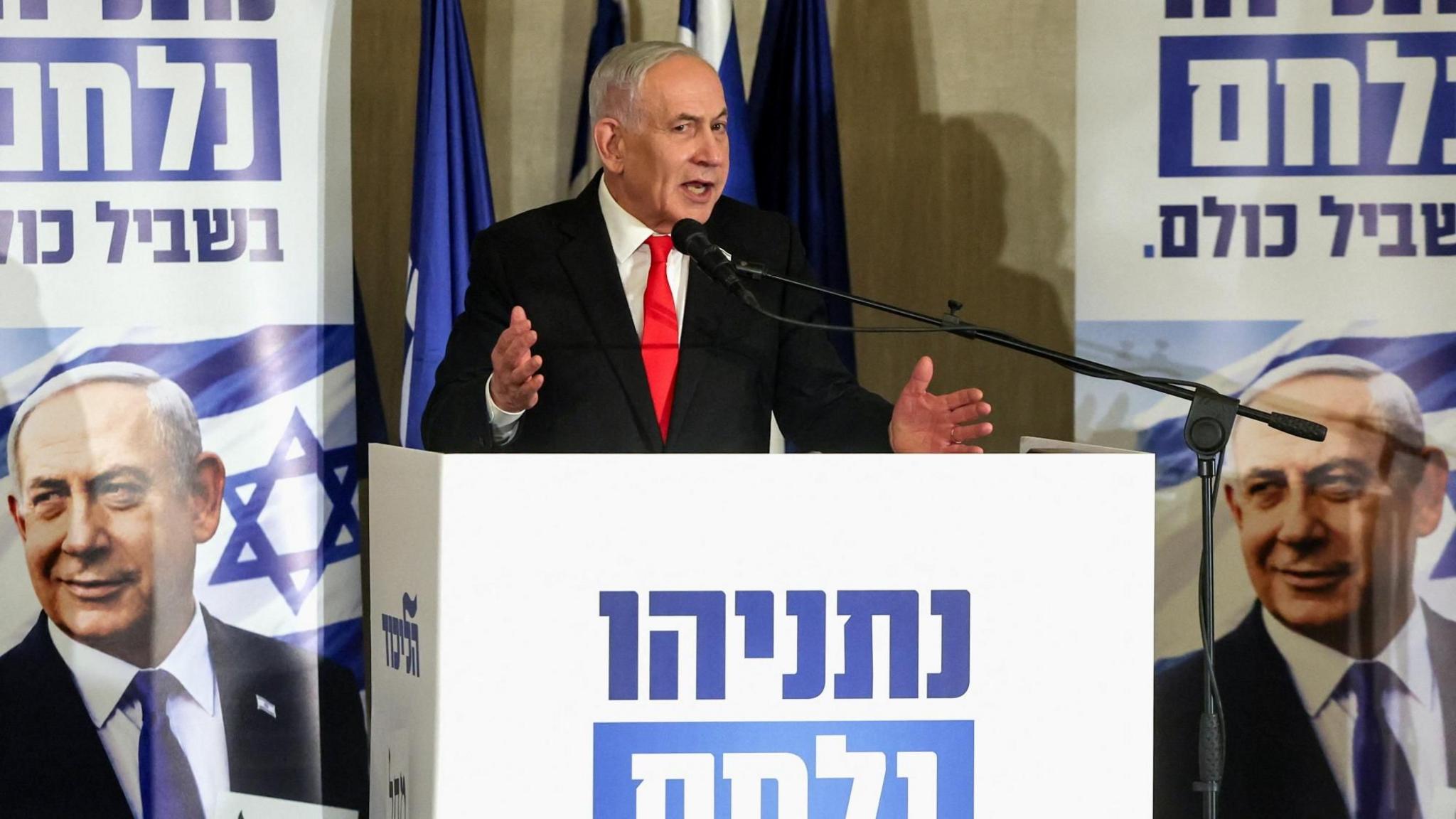
An Israeli military spokesman said the army would “continue to remove immediate threats,” while Hezbollah senior chief Sheikh Naim Qassem remarked that the campaign to defeat Hezbollah had failed and pledged a full withdrawal from Lebanese territory.
In spite of the ceasefire, rescue officials in Nabatieh reported at least 12 aerial assaults since the truce was announced at 16:00 local time, 13:00 GMT, underscoring the fragile nature of the pause.
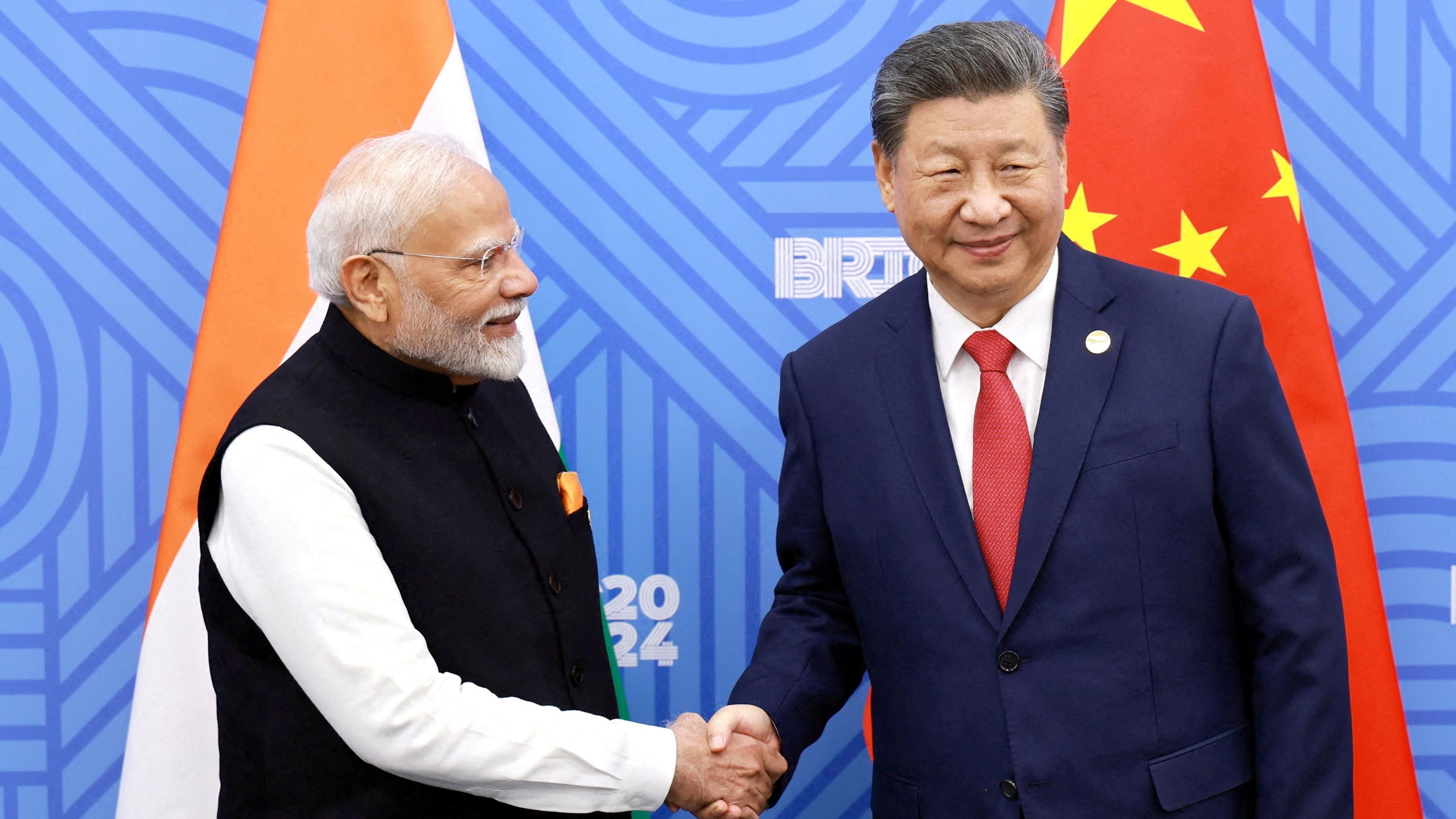
The fragile truce raises questions about the broader geopolitical stakes. President Trump’s deal hinged on restraint from both sides, but the ongoing launches suggest that hardliners continue to dominate the region.
Lebanese civilians have expressed doubt over the ceasefire’s durability. One resident told Reuters that, “The agreement is good, but the Israelis don’t abide by it.” Another said, “How many times have they made agreements? More than once, they don’t commit.”
Since the escalation began in 2006, Lebanon has endured more than 3,900 deaths—including women and children—wounded over 11,600 people, displaced roughly a million residents, and obliterated dozens of households in the south.
The intermittent ceasefire offers little respite from the violence that has become a staple of Lebanon’s recent history, leaving many questioning whether a lasting peace is achievable under the current geopolitical strains.