In brief
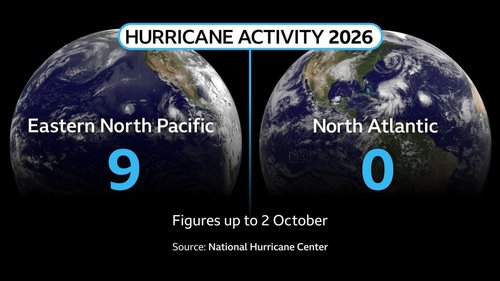
For nearly three weeks, the Atlantic has witnessed an unusual calm during its peak hurricane season, with no named storms forming. Experts attribute this phenomenon to a combination of strong vertical wind shear, persistent dry air, and reduced rainfall in West Africa. While this situation brings temporary relief, forecasters warn that activity may ramp up in the coming weeks. Historically, 80% of hurricane activity occurs from August to September, yet this season has continued to perplex meteorologists.
SAN JUAN, Puerto Rico (AP) – The Atlantic Ocean has experienced an unexpected lull, with no named storms forming in nearly three weeks during the peak of hurricane season.
Philip Klotzbach, a meteorologist at Colorado State University, voiced the shared curiosity on social media: Where the heck are the Atlantic #hurricanes? This question reflects the puzzling situation as Tropical Storm Fernand was the last named storm, which emerged on August 23 and dissipated by August 28, remaining over open water.
According to meteorologist Ernesto Rodríguez, this marks only the second time since 1950 that no named storms have formed during this critical period. He noted that usually, atmospheric conditions during this time are prime for storm development.
Why it’s so quiet
Experts identify three key factors contributing to the current calm:
- A robust vertical wind shear has stifled storm formation.
- Persisting dry and stable air conditions across the tropical Atlantic have hindered moisture necessary for storm development.
- A decline in rainfall in West Africa, where tropical waves typically originate, has also played a significant role.
Rodríguez expressed a positive outlook regarding this situation, especially for areas like Puerto Rico, which is still recovering from Hurricane Maria's devastation in 2017.
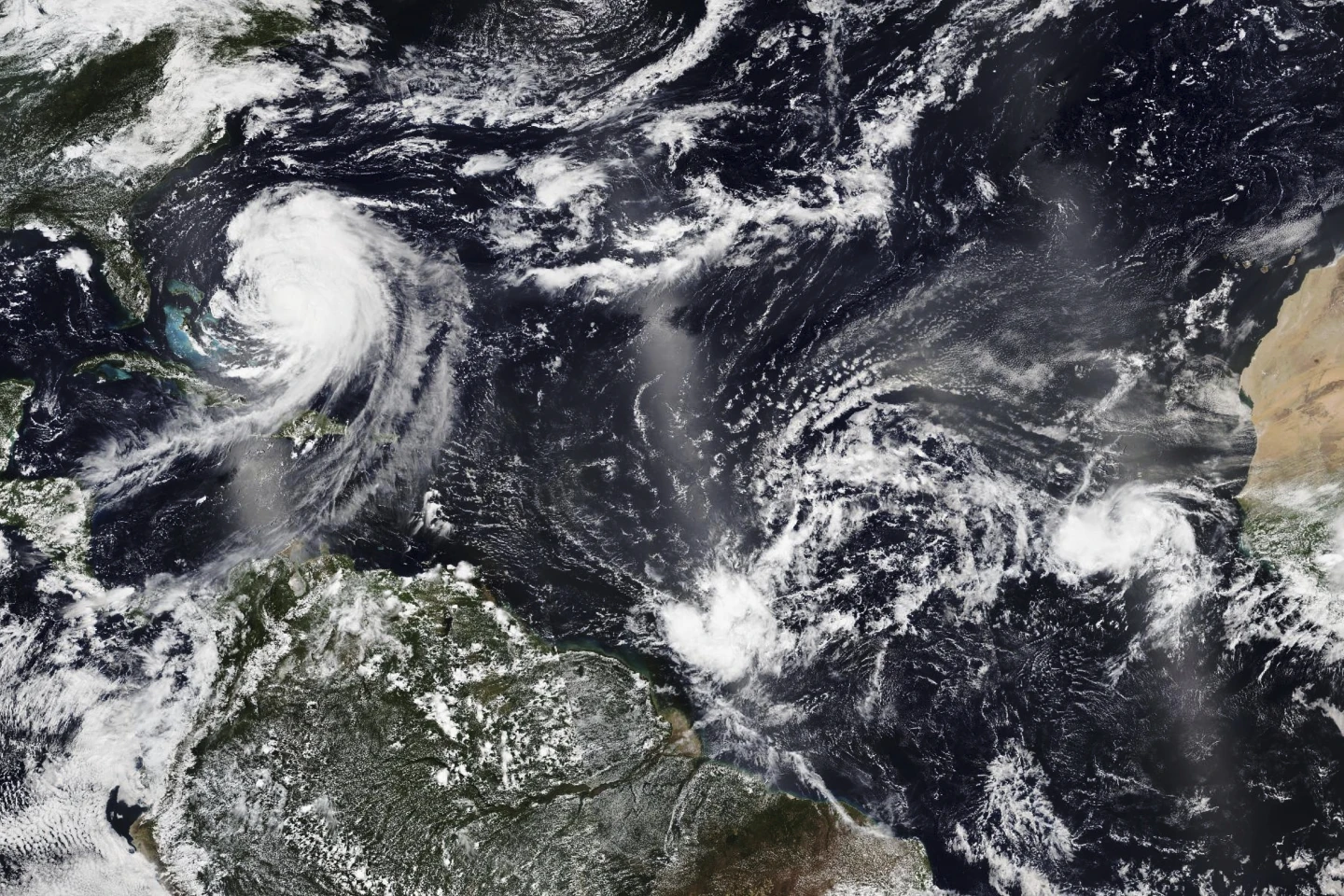
However, forecasters caution against complacency. Storm clusters forming off the Caribbean may soon lead to named storms, particularly between mid-September and mid-October, as conditions could become more favorable for storm development. Notably, ocean temperatures remain warm, which can provide ample fuel for hurricanes.
What history says
Historically, the Atlantic sees up to 80% of its hurricane activity in August and September. Typically, the season yields about 14 named storms, with seven escalating into hurricanes. However, this year has only seen six named storms, raising concerns among meteorologists regarding insufficient atmospheric instability.
As the season progresses, experts continue to monitor conditions closely, with hopes that the remainder of the season will not be as uneventful.